





 FR
 EU




- 3min
- 18/06/2026
What is the best stainless steel saucepan?
In a Nutshell
-
An 18/10 stainless steel saucepan is the most durable and healthiest kitchen pan: no coating, no substance migration into food.
-
Quality comes down to the base: a multi-layer base (stainless steel-aluminium-stainless steel) guarantees even heat distribution.
-
Compatible with all hobs, including induction, dishwasher safe, easy to maintain, oven-safe with a suitable handle.
-
Three criteria really matter when choosing: steel composition, base thickness for optimal heat, and handle ergonomics.
-
Stainless steel pans excel in everyday cooking requiring precision: sauces, pilaf rice, and reductions.
There's something timeless about a stainless steel saucepan. It's been a staple in professional kitchens for decades and, increasingly, in our everyday kitchens. Robust, healthy, compatible with all hobs, a quality stainless steel pan is often the best option for those looking for a reliable, durable product with no non-stick coating. Whether you're building a cookware set or adding a versatile pan to your kitchen, the question is how to choose the best stainless steel saucepan for your needs.
What exactly is stainless steel?
Stainless steel is an alloy of iron, chromium and nickel. On quality cookware, you'll most often find the marking 18/10, indicating 18% chromium and 10% nickel. This is the reference composition for a pan designed to withstand high everyday temperatures.
What sets stainless steel apart from other materials is its neutrality. It doesn't interact with food, even acidic ingredients (tomatoes, vinegar, citrus), and doesn't migrate into any preparation. No coating liable to degrade, no substance to monitor: an inert material, healthy by nature. This is why stainless steel remains a material of choice for premium cookware ranges and professional kitchen equipment.
Why choose a stainless steel saucepan?
A good-quality stainless steel pan is practically indestructible. It resists scratches, thermal shock and corrosion. Unlike non-stick coated utensils, whose surface always ends up deteriorating, stainless steel ages well: its durability is one of its most concrete advantages. It's a considered purchase with no replacement needed—a kitchen product that lasts years, even decades.
Its neutrality also makes it a particularly healthy choice. Without coating, it releases no substances during heating, even with acidic foods. Practically speaking, maintaining the product is simple: a soft sponge and washing-up liquid suffice day to day. Most quality stainless steel pans are dishwasher safe, though hand-washing better preserves the shine over time and keeps the cooking surface in ideal condition.
Compatibility with all heat sources, including induction, completes the picture. For induction cooking, the presence of a ferromagnetic base confirms it (and a magnet placed under the pan will stick if it's compatible with induction hobs).
How to choose your stainless steel saucepan properly
The base, criterion number one
Pure stainless steel conducts heat less effectively than copper or aluminium. Without a proper base, the pan heats unevenly and food sticks. Quality models incorporate a multi-layer base (stainless steel-aluminium-stainless steel, called triply), which corrects this fault and guarantees even cooking. The aluminium core ensures superior heat distribution across the cooking surface, eliminating hot spots. A base at least 3 to 5mm thick is a good indicator of quality construction.
Handle and lid
The fixed stainless steel handle is the classic choice: it offers solidity, robustness, and assured grip, whatever the use. For fixed everyday use on the hob, it's the simplest and most reliable choice. A comfortable handle makes all the difference when cooking regularly.
The removable handle offers more flexibility, as it allows you to transfer the pan to the oven and saves storage space; valuable for small kitchens. In both cases, it must be securely fixed and comfortable, even when the pan is full.
A well-fitted lid, glass or stainless steel, limits evaporation and concentrates flavours for long cooking. Glass lids let you check your cooking without lifting the lid and losing heat.
Which size to choose?
|
Diameter |
Ideal use |
|
16 to 18 cm |
Sauces, reductions, small quantities |
|
20 cm |
Versatile format, 2 to 3 people, everyday cooking |
|
24 cm and above |
Family dishes, stocks, volume cooking |
A good stainless steel saucepan range covers these three sizes, forming a coherent cookware set that lets you build a matching collection for all everyday needs.
What works brilliantly in a stainless steel saucepan
Stainless steel is particularly suited to preparations requiring precise temperature control and good heat management. It's the ideal material for sauces, simmered dishes and reductions. Four telling examples.
-
Pilaf rice. Sweat a shallot in a little butter, add the rice and let it turn translucent, moisten with 1.5 volumes of stock to 1 volume of rice, cover and cook for 10 minutes on very low heat. The thick base of the pan guarantees even cooking without sticking.
-
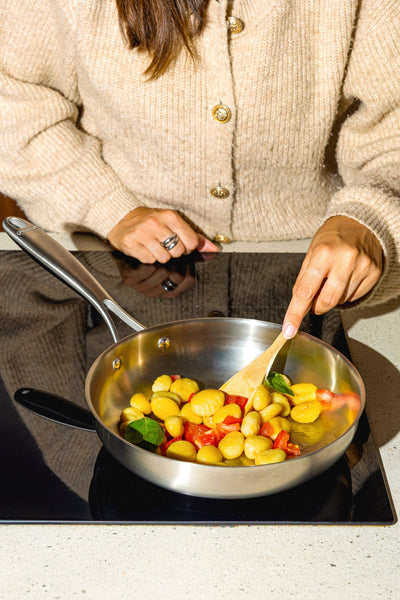
Homemade tomato sauce. Sauté a sliced onion in a drizzle of olive oil, add crushed tomatoes (fresh or tinned), season, and leave to reduce over medium heat for 20 to 25 minutes. For this type of acidic dish, stainless steel is the material of choice: it doesn't react to tomato acidity, preserving the sauce's flavour fully, without alteration or metallic aftertaste.
-
Beurre blanc. In a small stainless steel pan, reduce shallots with white wine and vinegar, then incorporate cold diced butter whilst whisking constantly. The light colour of stainless steel is ideal here: it lets you monitor the reduction and control temperature precisely.
-
Beurre noisette (brown butter). Melt butter over medium heat in a stainless steel pan. When the deposits turn golden and the hazelnut aroma develops, remove from heat immediately. Essential for madeleines, financiers, or pan-fried fish. Impossible to achieve in a dark utensil: stainless steel lets you watch the colour.
Maintenance: how to preserve a stainless steel saucepan
A few simple rules to preserve product quality long-term:
-
Preheat empty over medium heat before adding oil or fat, to limit sticking.
-
Use a soft sponge for daily cleaning; a slightly abrasive sponge if residues are stuck (stainless steel tolerates this without damage).
-
Dry by hand to avoid limescale marks.
-
Never use bleach or chlorinated products.
Most quality stainless steel pans are dishwasher safe, making cleanup easy after everyday cooking. Hand-washing with warm water and washing-up liquid is gentler on the finish and helps maintain the pan's appearance over time. The smooth surface is easy to clean and doesn't harbour food particles or bacteria.
Find all our pans and saucepans and build your cookware collection with brand products designed to last.
So what is the best stainless steel saucepan?
The best stainless steel pan is the one that matches your use. A thick multi-layer base for heat distribution, a comfortable handle suited to your kitchen, and a well-fitted lid for simmered dishes: these three criteria suffice to guide the choice. Size and steel type then refine the selection according to your real needs. What's certain: it's a healthy, durable product, built for decades of everyday cooking.
FAQ
What's the difference between 18/10 and 18/8 stainless steel?
18/10 stainless steel contains 10% nickel compared to 8% for 18/8: it's slightly more resistant to high temperatures and corrosion. For everyday cooking pans, it's the composition to favour.
Food sticks in my stainless steel saucepan: how can I avoid it?
Sticking most often occurs when the pan isn't hot enough when you add food. The technique: preheat the empty pan over medium heat, add oil or fat, then food. A thick multi-layer base with good heat distribution also significantly reduces this risk.
Can you put a stainless steel saucepan in the oven?
Yes, provided the handle is stainless steel or removable. A plastic or Bakelite handle won't withstand oven heat. Check the maximum temperature indicated before use. Most quality stainless steel pans are oven safe up to high temperatures.
Is stainless steel better than aluminium for a saucepan?
Both materials have their strengths. Aluminium heats faster and conducts heat better, but it's more sensitive to acids and often requires a non-stick coating. Stainless steel is more durable, more neutral, and healthier without coating. The best stainless steel pans combine both: a stainless steel body with an aluminium core in the base, uniting durability and thermal performance.
Our recommendations
- STAINLESS STEEL
Vendor
And what about the menu?
Only one rule, treat yourself!
The entrees
And for the dishes
The desserts
You might like these articles
-
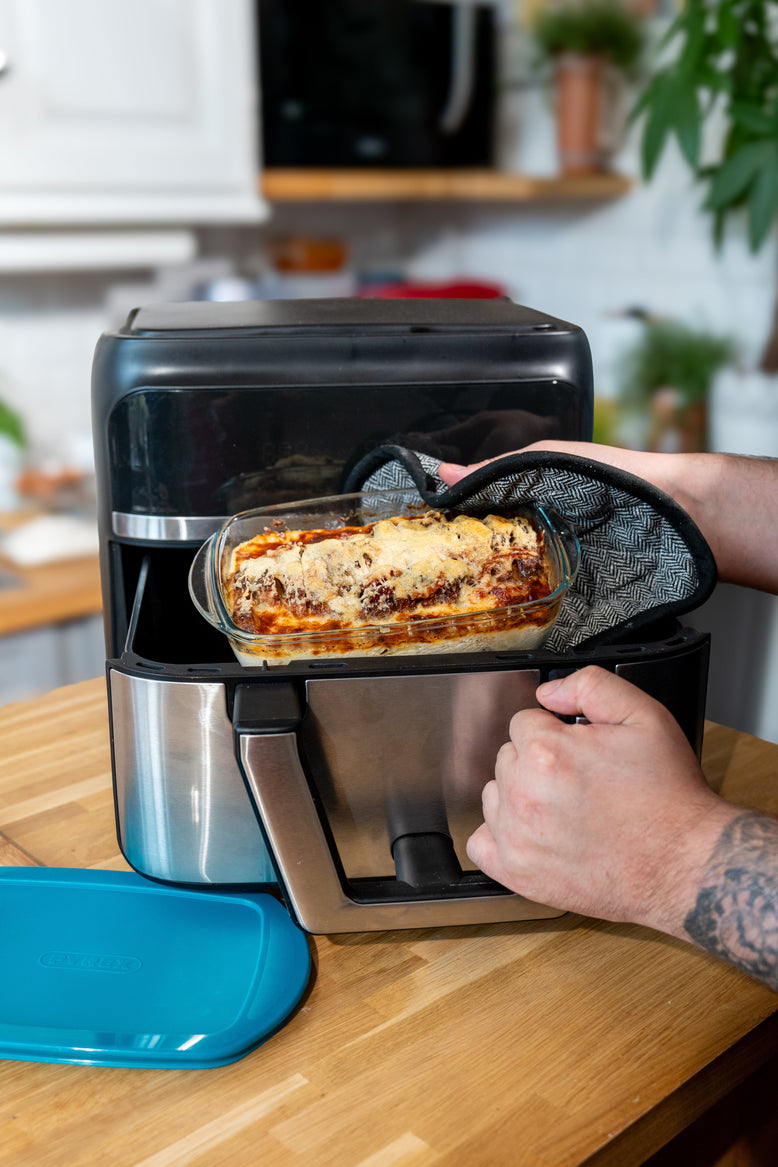
Recipe : Air fryer lasagna
Lasagne in an air fryer: instructions Want to make lasagne in your air fryer? This recipe works very well for four people, as long as you choose a dish that...
22/10/20263min -
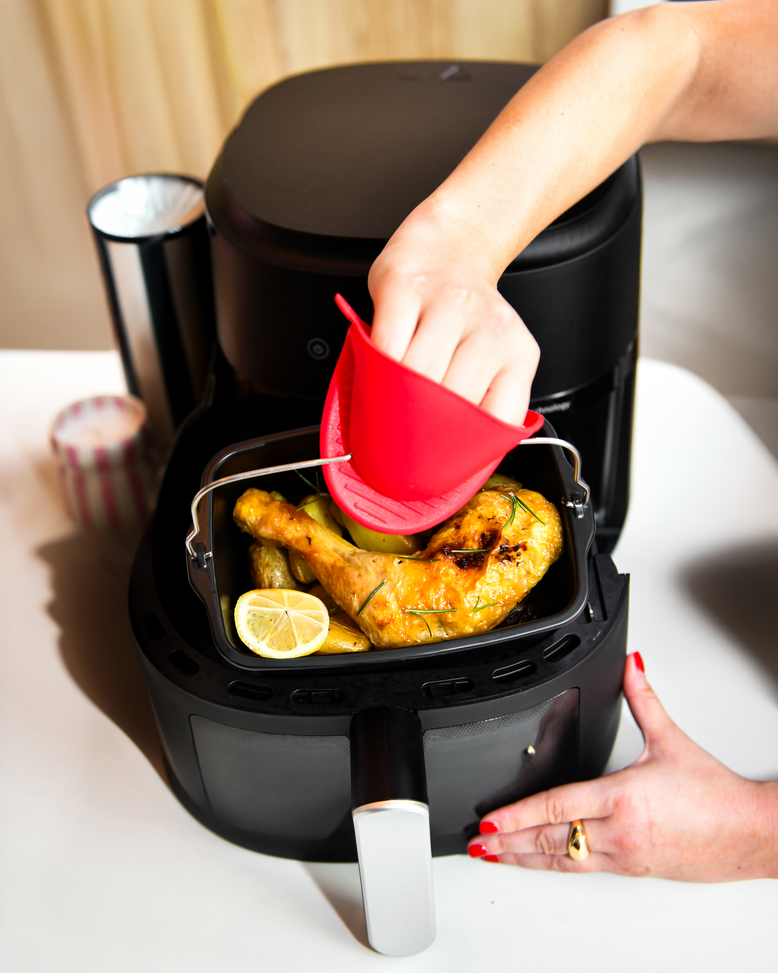
Air fryer dishes : Measure before buying
What sizes of dishes are suitable for an air fryer? In a Nutshell The right dish size for an air fryer depends first on the appliance's configuration: single basket, double...
05/10/20263min -
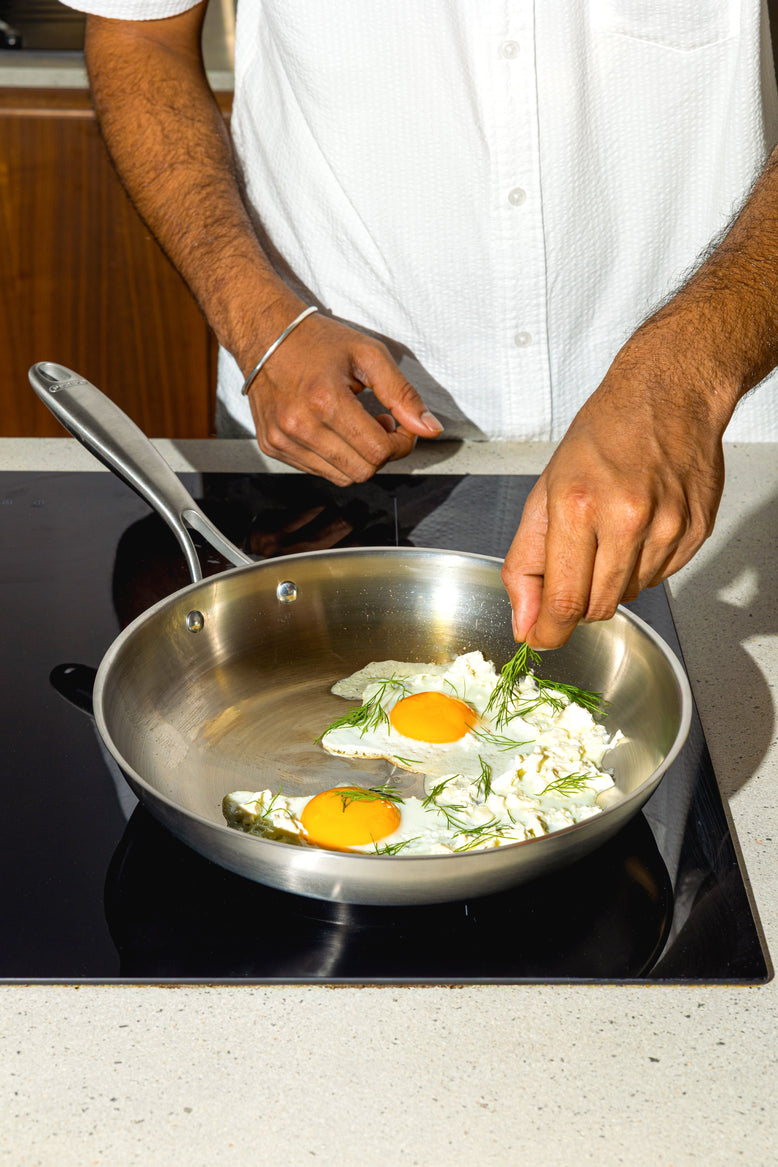
Are stainless steel pans safe?
Stainless steel pans: Are they good for your health? It's a question that comes up again and again for anyone wanting to update their cookware without compromising their health. Between...
05/10/20264min -
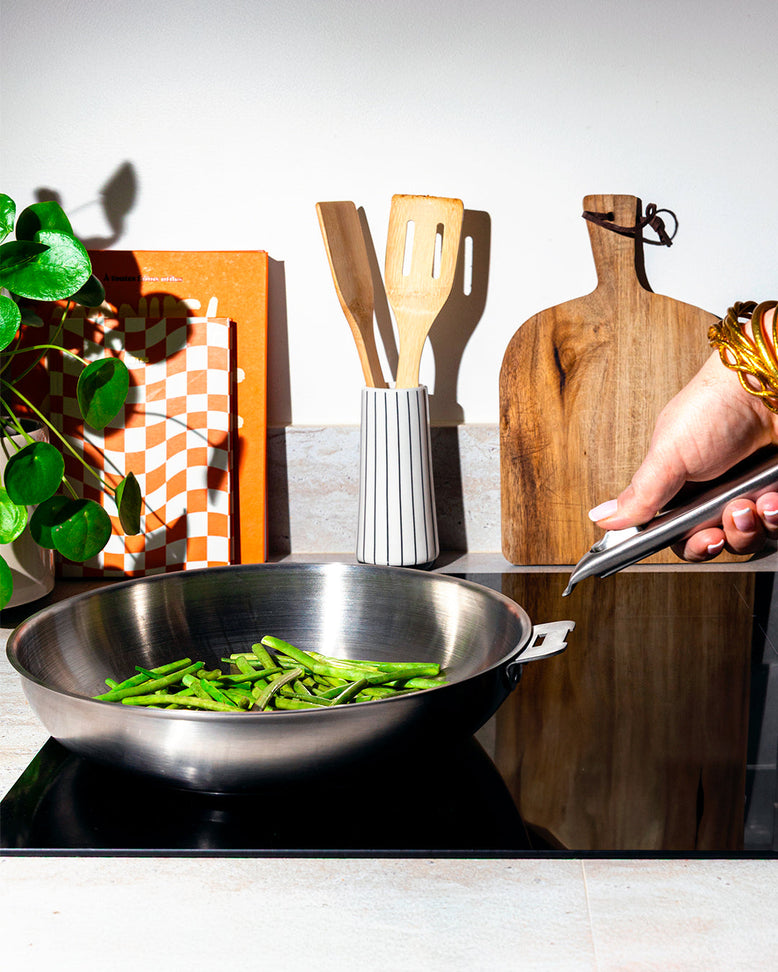
Guide : Why choose a stainless steel pan?
What are the advantages of a stainless steel pans? Stainless steel has become a kitchen staple, used by home cooks and catering professionals alike. Sturdy, easy to look after, and...
05/10/20264min -
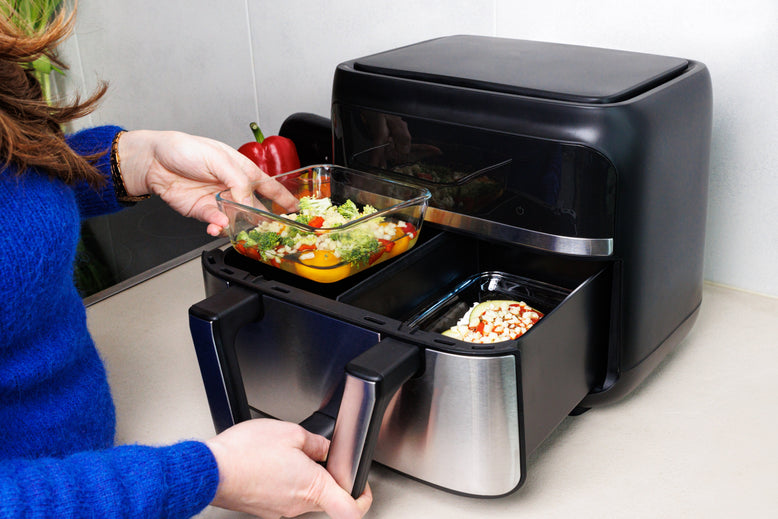
Can you put a glass dish in an air fryer?
Can you put a glass dish in the Air fryer? In a Nutshell Borosilicate glass dishes are compatible with the air fryer: they withstand high temperatures and thermal shock. Ordinary...
05/10/20264min -
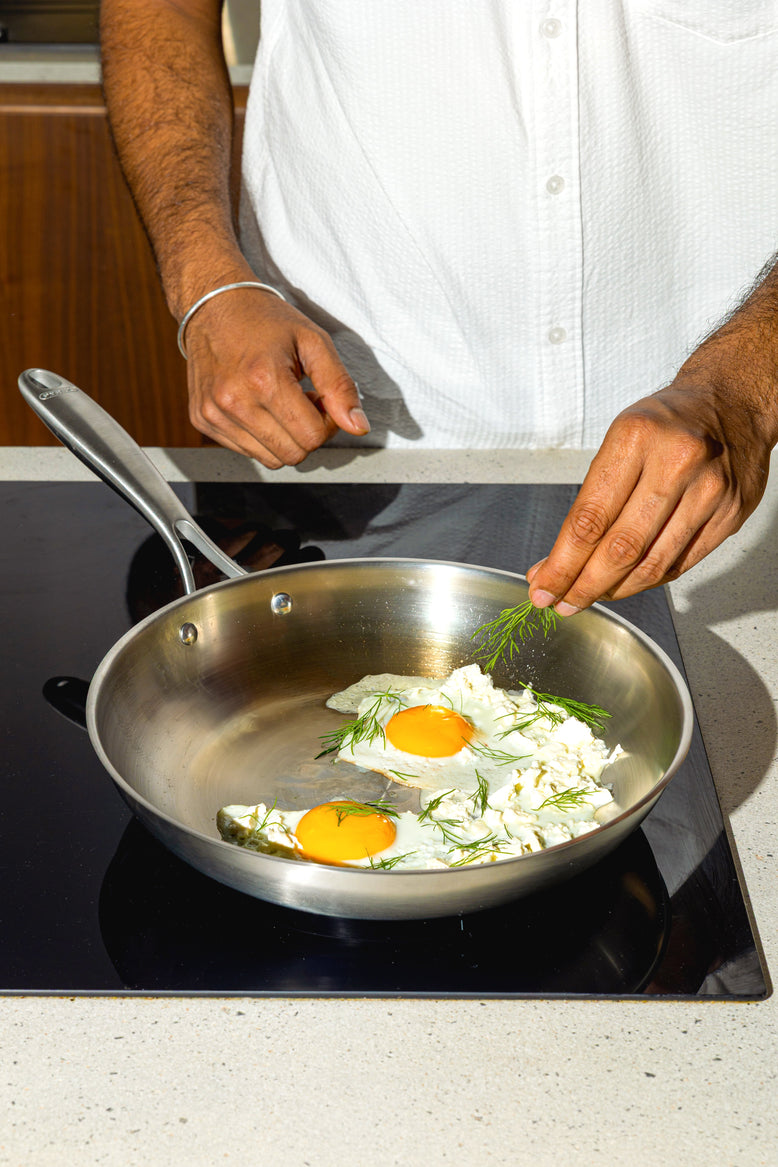
Stainless Steel vs Non-Stick Frying Pan ?
Stainless Steel or Non-Stick Frying Pan: Which Should You Choose? In a Nutshell Stainless steel frying pans offer a hard-wearing material and oven compatibility, though cooking with them takes a...
27/08/20264min -
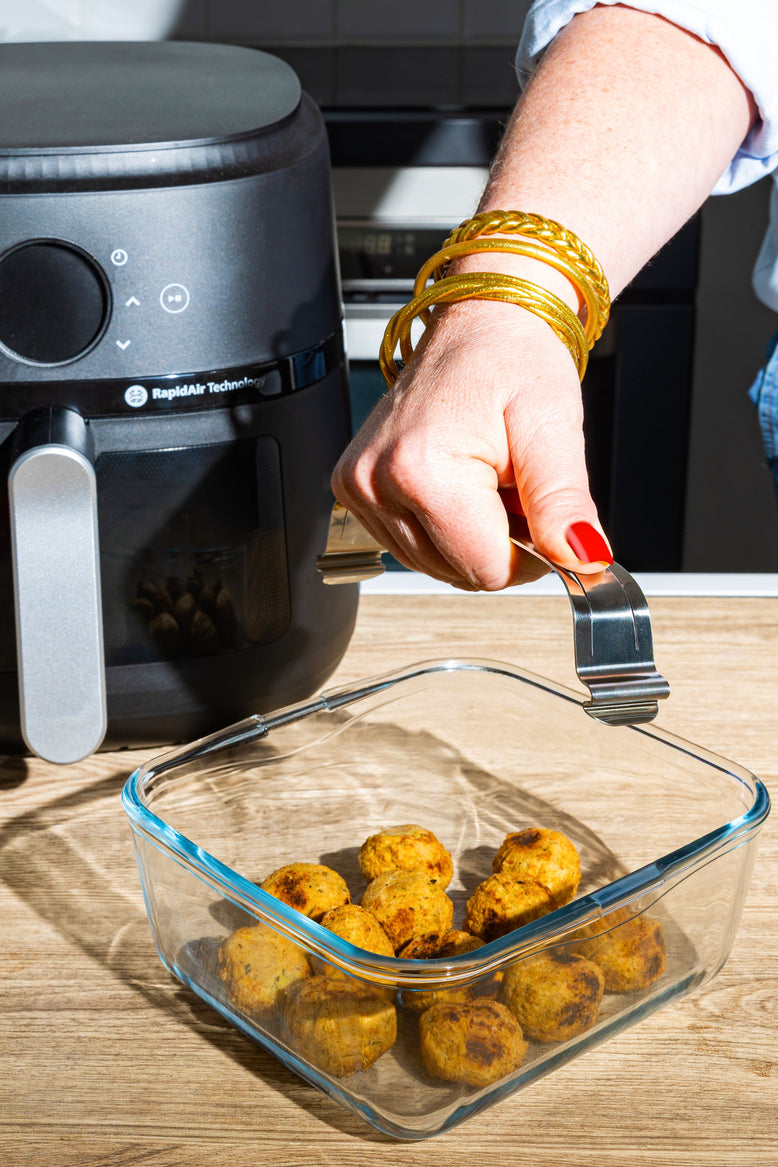
What Dishes Can You Put in an Air Fryer?
What dishes can you put in an Air fryer? In a Nutshell Borosilicate glass and non-stick metal dishes are both perfectly suited to the air fryer: they withstand high temperatures...
27/08/20264min -
Can you put a dish in an Air Fryer?
Can you put a dish in the air fryer? Yes, and it's often the best way to cook food in an air fryer or branch out into new recipes. The...
02/07/20264min
