TL;DR: Running low on eggs or following a plant-based diet? You can easily substitute eggs in cakes using everyday ingredients like apple sauce, mashed banana, yoghurt, or ground flax seeds. Each substitute serves a different purpose, from binding and moisture to helping batters rise. Choose based on what role eggs play in your recipe, and you’ll achieve delicious results with Pyrex® bakeware.
Substitute for an Egg in a Cake: Our Delicious Tips
Allergic to eggs or following a plant-based diet? It’s perfectly possible to substitute eggs in a cake with various compatible ingredients that ensure a delicious dessert. What are they? How do you adapt the quantities for your cake tin to achieve perfect texture and delicious results? Here are our best Pyrex® tips.
What to Use as a Substitute for an Egg in a Cake When You’ve Run Out?
Apple Sauce: A Fruity and Practical Alternative
Homemade or jarred apple sauce is one of the best-known tricks for replacing eggs when you’ve run out. It provides the binding and moisture necessary for the supple texture of your mixture. To successfully make your cake and replace eggs, use three tablespoons of apple sauce for one egg in a recipe. It’s perfect for chocolate cakes or fruit cakes.
Mashed Banana: For a Soft Texture
Mashed banana allows you to replace one egg in a sweet preparation. Use two tablespoons of mashed banana per egg replaced. It’s perfect for yoghurt cakes and seed cakes, where it brings sweetness and a lovely sweet flavour.
Plain Yoghurt or Cottage Cheese: Suppleness and Softness
Replace the proteins in eggs with plain yoghurt or cottage cheese, which brings suppleness and perfect binding to your cake batter. As with mashed banana, you’ll need two tablespoons of cottage cheese or yoghurt per egg. This trick doesn’t change the taste of the cake while bringing it a lovely softness.
Vinegar and Bicarbonate of Soda: The Duo to Make Batters Rise
By replacing the rising power of beaten egg white with a tablespoon of apple cider vinegar and bicarbonate of soda, you trigger a reaction that makes the batter rise. This trick is the most effective for a chocolate cake or a loaf cake. Don’t worry: the mixture of vinegar and bicarbonate of soda gives no particular taste to your preparation once cooked.
▶ Discover with the Pyrex® brand how to tell if a cake is cooked for always successful desserts.
What to Use as a Substitute for an Egg in a Cake in Case of Allergy or Dietary Requirements?
Ground Flax or Chia Seeds: Fibre and Texture
These seeds are perfect for replacing an egg. One tablespoon of seeds mixed with three tablespoons of water gives a gel that imitates the texture of egg. This mixture is perfect for cookies, fruit cakes and sweet breads. Plus, these seeds provide a good amount of omega-3 and fibre.
Cornflour or Potato Starch: Discreet Thickeners
Cornflour or potato starch replaces the thickening properties of egg white. Mix one tablespoon of starch with two tablespoons of water for a solution that won’t alter the taste of your preparation. It’s perfect for shortcrust pastries to cook in a Pyrex® tart tin or biscuits for a firm and crunchy result.
Shop-Bought Mixes: Express and Ready-Made Solutions
Health food shops offer ready-to-use egg substitutes. This time-saver comes in powder form to mix with water. These preparations perfectly replace eggs in your soft cakes, loaf cakes or cookies.
How to Adapt Quantities and Textures to Succeed with Your Cakes?
Understanding the Role of Eggs in Baking Recipes
Eggs provide binding, moisture, and their whites help the batter rise. They aerate the preparation, while the yolk enriches it with fats and flavour.
▶ If you struggle with meringues, read this article on how to succeed in whipping egg whites to stiff peaks.
Adjusting Moisture: Avoiding Batters That Are Too Dry
The absence of moisture from eggs can make the batter dry. Adding liquid such as plant-based milk, apple sauce, or yoghurt will restore suppleness to the preparation. Three tablespoons of liquid are typically sufficient.
Obtaining Good Softness Without Egg
Silken tofu, banana or yoghurt is recommended. They bring creaminess and prevent the cake from crumbling. They’re widely used in vegan baking.
Adopt the Right Utensils for Cooking Without Eggs with Pyrex®
-
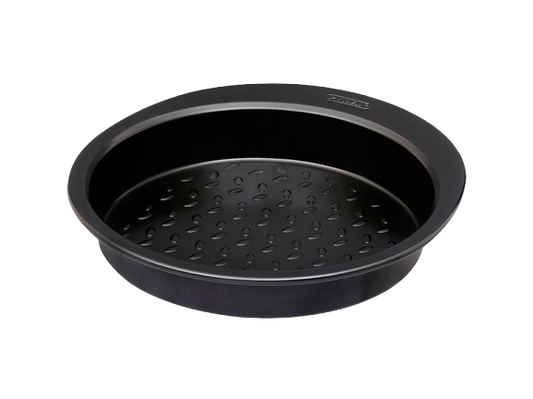
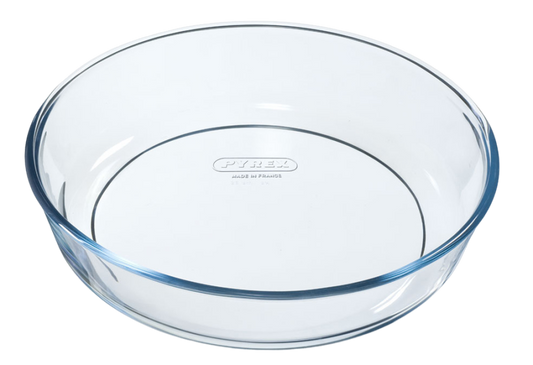
Choose a borosilicate glass tin for even cooking in the oven or microwave.
-
Mix ingredients in Pyrex® mixing bowls for lump-free results.
-
Store your preparations in the fridge in Pyrex® storage containers.
-
Opt for a large tin or a loaf tin, muffin tin or Pyrex® ramekins.
FAQ: Substitute for an Egg in a Cake
Which substitute should I use for different types of cakes?
For cookies, use banana, ground seeds or apple sauce. For loaf cakes, opt for silken tofu or yoghurt. For light, airy sponges, use bicarbonate of soda and vinegar. For fruit cakes, apple sauce or banana work best.
Will my cake taste different with egg substitutes?
Some substitutes, like banana, add their own flavour, while yoghurt and cornflour are virtually tasteless. Apple sauce adds gentle sweetness. Choose based on whether you want the substitute to complement or stay neutral.
Why did my egg-free cake turn out dry or dense?
This usually means you need more liquid. Add an extra tablespoon or two of plant-based milk, water, or apple sauce. If it’s dense, try the bicarbonate of soda and vinegar method for better rise.
Key Points
-
Eggs provide binding, moisture, and leavening in baking
-
Use apple sauce, banana, or yoghurt for binding and moisture (2-3 tablespoons per egg)
-
Use bicarbonate of soda and vinegar for leavening
-
Ground flax and chia seeds work well for cookies and denser bakes
-
Match your substitute to your cake type for best results