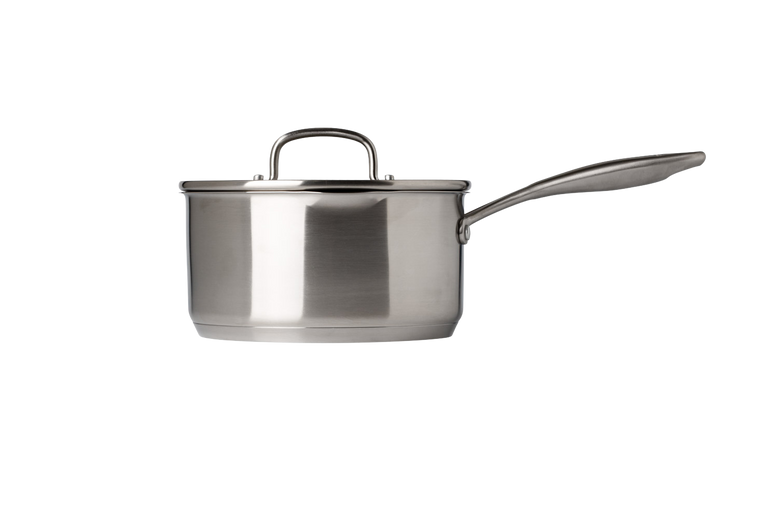

What is pfas?
In a Nutshell
-
PFAS are a group of over 4,700 synthetic chemical substances also known as "forever chemicals"
-
These chemicals are found in nonstick cookware, food packaging, clothing, cosmetics and drinking water
-
PFAS pose serious risks to human health — linked to hormonal disruption, liver damage, blood disorders and certain cancers
-
Exposure to PFAS builds up in the body over time and cannot be reversed
-
Environmental contamination — soil, air, water — means PFAS levels are detectable worldwide
-
All Pyrex® products are guaranteed PFAS-free
What Are PFAS? These Forever Chemicals in Our Kitchen
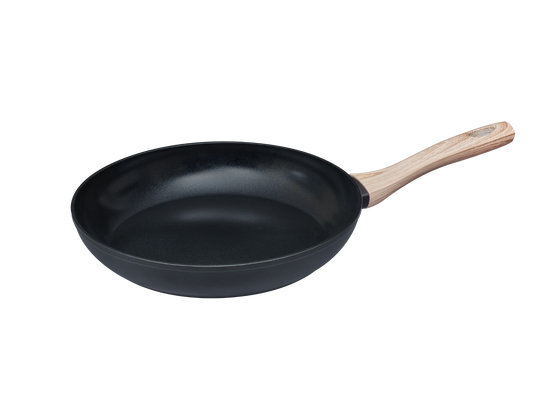
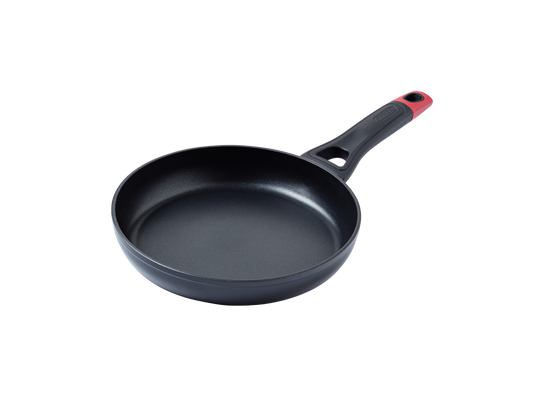
As a specialist in healthy cooking, Pyrex® has taken a close look at PFAS — a term that gets a lot of airtime, yet one most of us couldn't actually define. The reality is they're almost everywhere. They turn up in waterproof textiles, cosmetics, pesticides, food packaging, the nonstick coatings of certain frying pans and saucepans — and even guitar strings.
PFAS are not something you want in your kitchen. Over 4,700 chemical substances fall under the PFAS umbrella, and none of them are good for human health. The straightforward solution is to choose kitchen utensils and accessories that are PFAS-free — as is the entire Pyrex® range.
Types of PFAS: PFOA, PFOS and Beyond
Not all PFAS are identical. The group includes thousands of chemical compounds, but two have been most widely studied and are most closely linked to human health risks: PFOA (perfluorooctanoic acid) and PFOS (perfluorooctanesulfonic acid). Both are now restricted or banned across much of the world due to their persistence in the environment and their effects on human health — including links to liver disease, immune disruption, elevated blood pressure and certain cancers. Newer PFAS compounds have since replaced them in many industrial and consumer products, but public health agencies warn that these alternatives may carry similar long-term risks. The science is still developing, and the chemical industry continues to generate new variants faster than regulation can keep pace.
Why Are PFAS Everywhere?
The answer lies in how PFAS travel: carried by water, rain and wind, they spread far beyond their original sources. They are released into our bodies when exposed to heat — which is precisely what happens with the nonstick frying pans and saucepans used in most households. This is the primary release mechanism for these highly harmful chemical compounds. From there, they enter our food through direct contact with the pan or saucepan, and then into our bodies after we consume that contaminated food. It is now widely recognised that the entire food chain is affected by the presence of PFAS.
Although PFAS contamination is entirely man-made, these chemical substances are now found in a "natural" state in seafood and in our drinking water — including tap water. Firefighting foams used at airports and industrial sites are a major source of groundwater contamination, and a significant driver of PFAS levels in local water supplies. The damage is done — it is no longer possible to avoid them entirely. Used for decades across virtually every industry for their water and heat resistance, PFAS are sadly now present everywhere. Described as persistent organic pollutants due to their extremely low biodegradability, they resist the passage of time and have the capacity to generate new chemical substances — different, but equally concerning.
Why Are Pyrex® Products PFAS-Free?
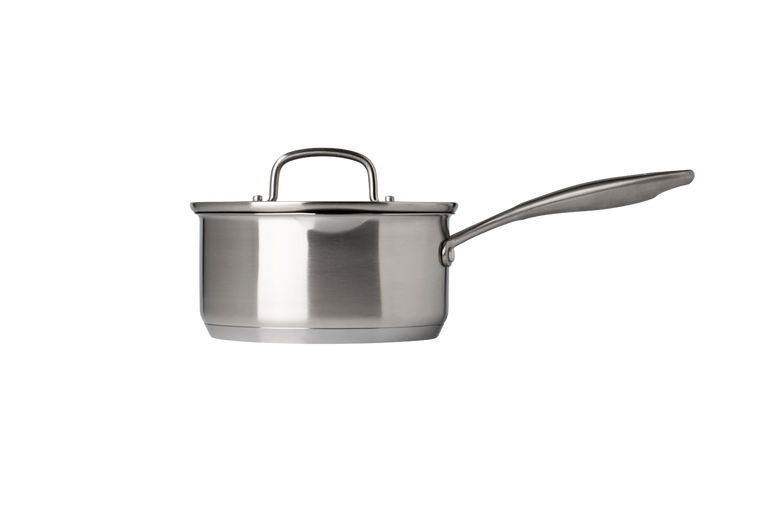
You can probably guess our answer: because they are harmful to health. At Pyrex®, we took matters into our own hands and removed PFAS from our entire product range. Every container, accessory and utensil — including glass food storage containers, metal baking tins and dishes, and coated aluminium frying pans and saucepans — is free from PFAS. No exceptions.
To be sure you are making the right choice, Pyrex® recommends looking for kitchen accessories and utensils made from natural materials — glass dishes, ceramic dishes or cast iron casseroles. Be wary of frying pans and saucepans that carry no PFAS-free mention on the packaging: one nonstick coating looks much like another, and not all manufacturers are equally rigorous — particularly lesser-known brands.
► Pyrex® has been by your side since 1915 — and every product we make is guaranteed PFAS-free.
Removing PFAS from Pyrex® products is part of our commitment to environmental health and the broader health of the planet. Pyrex® is taking action against the spread of these chemical substances in nature and, of course, putting your health first. These per- and polyfluoroalkyl substances contaminate soil, air and water, accumulating to harmful levels across ecosystems globally. Moving towards more natural materials — glass, wood and other inert substances that contain no harmful chemicals — is now what experts recommend.
How to Reduce PFAS in Your Kitchen
As we've seen, Pyrex® is deeply committed to monitoring the use of these harmful substances in kitchen accessories. There is plenty you can do at a personal level to cut down on PFAS in your frying pans, saucepans and other nonstick cookware.
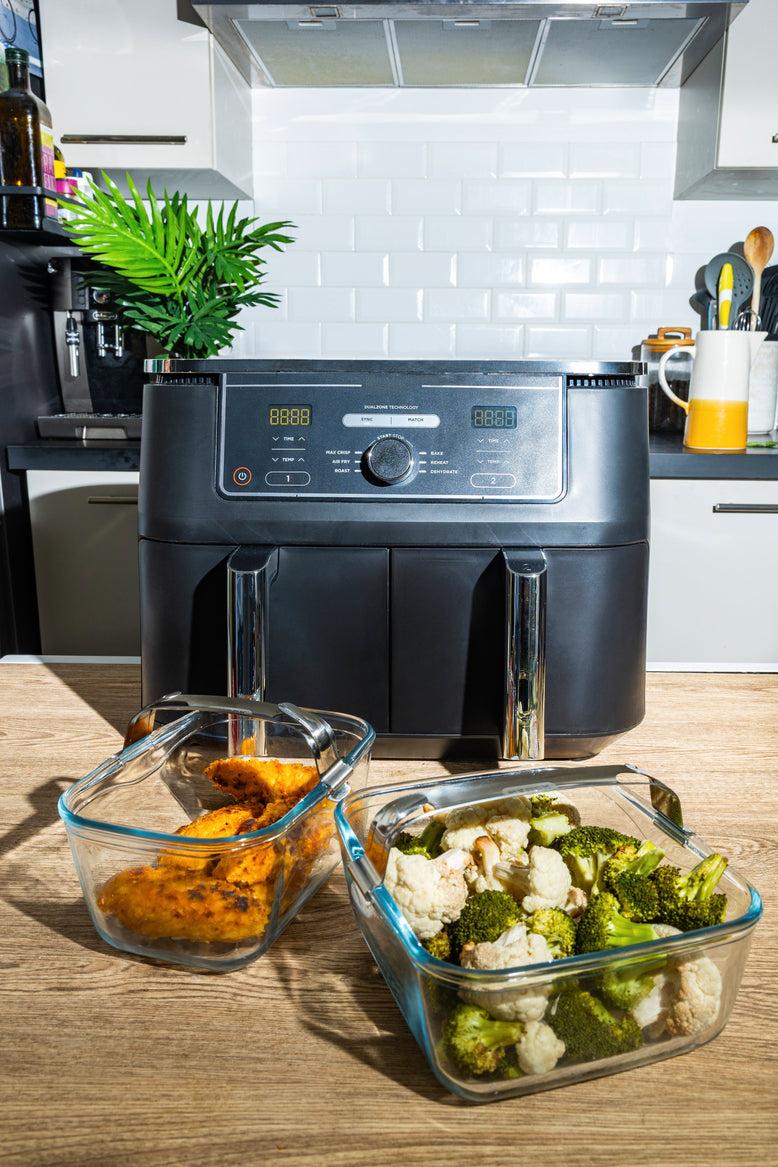
Glass is one of the best PFAS-free solutions available. Pyrex® glass food storage containers, baking trays, glass and ceramic oven dishes and cast iron casseroles are a healthy, durable option — and guaranteed PFAS-free. The same applies to our frying pans, saucepans, woks and casserole dishes.
Four steps to reduce PFAS in your kitchen:
-
Replace any kitchen accessories with a worn nonstick coating — scratches, patches where the coating has come away from the pan or saucepan, and so on
-
Make a more considered investment — favour glass, ceramic, stainless steel, aluminium, cast iron or copper for your cookware
-
Limit purchases of products with nonstick coatings that contain PFAS
-
Read labels carefully — some manufacturers now indicate the absence of PFAS on their cookware
Also check the condition of your oven dishes, baking tins and casseroles — those used primarily in the oven or air fryer can perfectly well be made from glass, which carries no health risk.
FAQ
What does PFAS stand for?
PFAS stands for per- and polyfluoroalkyl substances — a group of over 4,700 synthetic chemical compounds used across industries, including in cookware, for their resistance to water, grease and heat.
Why are PFAS harmful to health?
PFAS do not break down in the human body. Exposure to PFAS — particularly PFOA (perfluorooctanoic acid) and PFOS — builds up over time through food contact, contaminated drinking water and everyday consumer products. Health effects include hormonal disruption, liver damage, blood disorders, elevated blood pressure and an increased risk of certain cancers. Environmental exposure through soil and air adds further to those risk levels. The health risks linked to PFAS are now recognised by public health agencies worldwide.
Where are PFAS found in everyday life?
In nonstick cookware, food packaging, stain-resistant clothing, some cosmetics and personal care products, and increasingly in drinking water and seafood — the entire food chain is now affected.
How can I reduce my exposure to PFAS?
Replace worn nonstick cookware, choose products made from glass, ceramic, stainless steel or cast iron, and always check packaging for a clear PFAS-free guarantee before buying.
Are Pyrex® products PFAS-free?
Yes. Every Pyrex® product — from glass dishes and food storage containers to frying pans and bakeware — is guaranteed PFAS-free.