






 FR
FR EU
EU



- 3min
- 02/04/2026
Glass or Metal Mould: Which One Should You Choose?
In a Nutshell
-
Borosilicate glass heats gently and evenly: ideal for a moist sponge, gratins, and recipes that need a gentle bake.
-
Metal heats up faster and encourages browning: perfect for crispy pastry cases, loaf cakes, and fine baking.
-
Aluminium is light and affordable, coated steel is durable, and stainless steel is the most hardwearing: three materials for a wide range of baking needs.
-
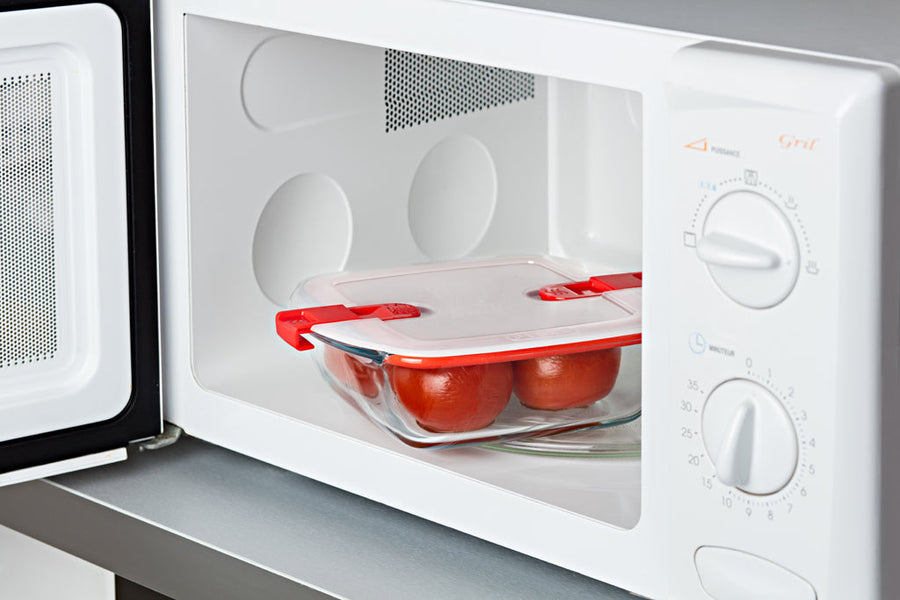
Glass has an extra advantage: it goes from oven to fridge, and even to the microwave for compatible models.
-
There's no wrong choice, only different uses.
Glass or metal? The question comes up every time you need a new cake tin, and the answer is less obvious than it looks. Each material behaves differently in the heat, and it matters: the right mould can make the difference between a beautifully golden bake and one that lacks structure. Here's the complete guide to choosing the right mould for every recipe.
Glass moulds: gentle heat and versatility
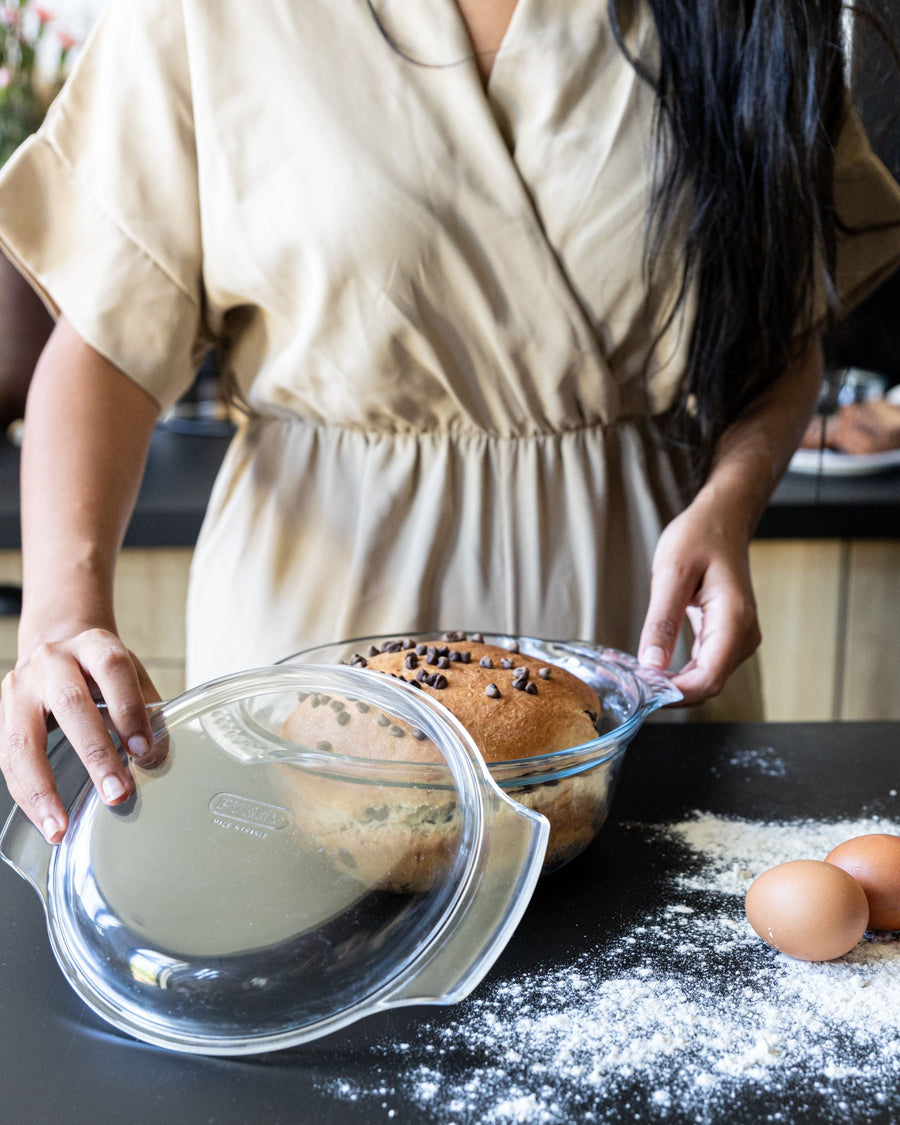
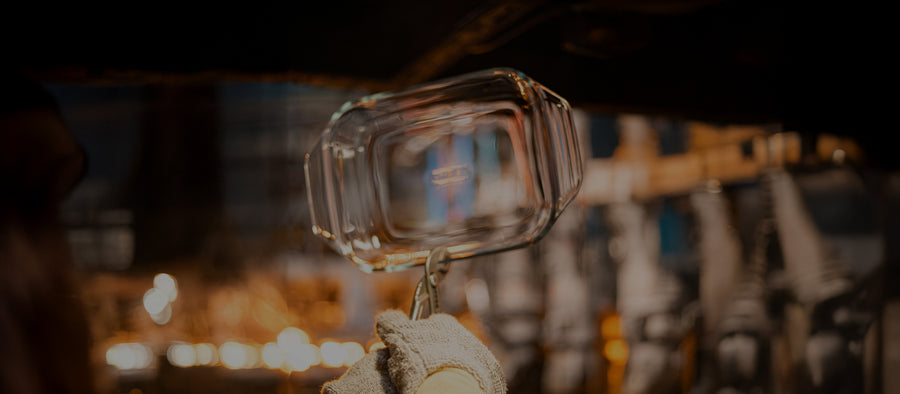
Borosilicate glass is Pyrex®'s historic speciality. In the oven, it heats slowly. But once up to temperature, it retains heat well and releases it gently and progressively. The result: a bake that isn't rushed, with no risk of a burnt base before the centre is cooked through.
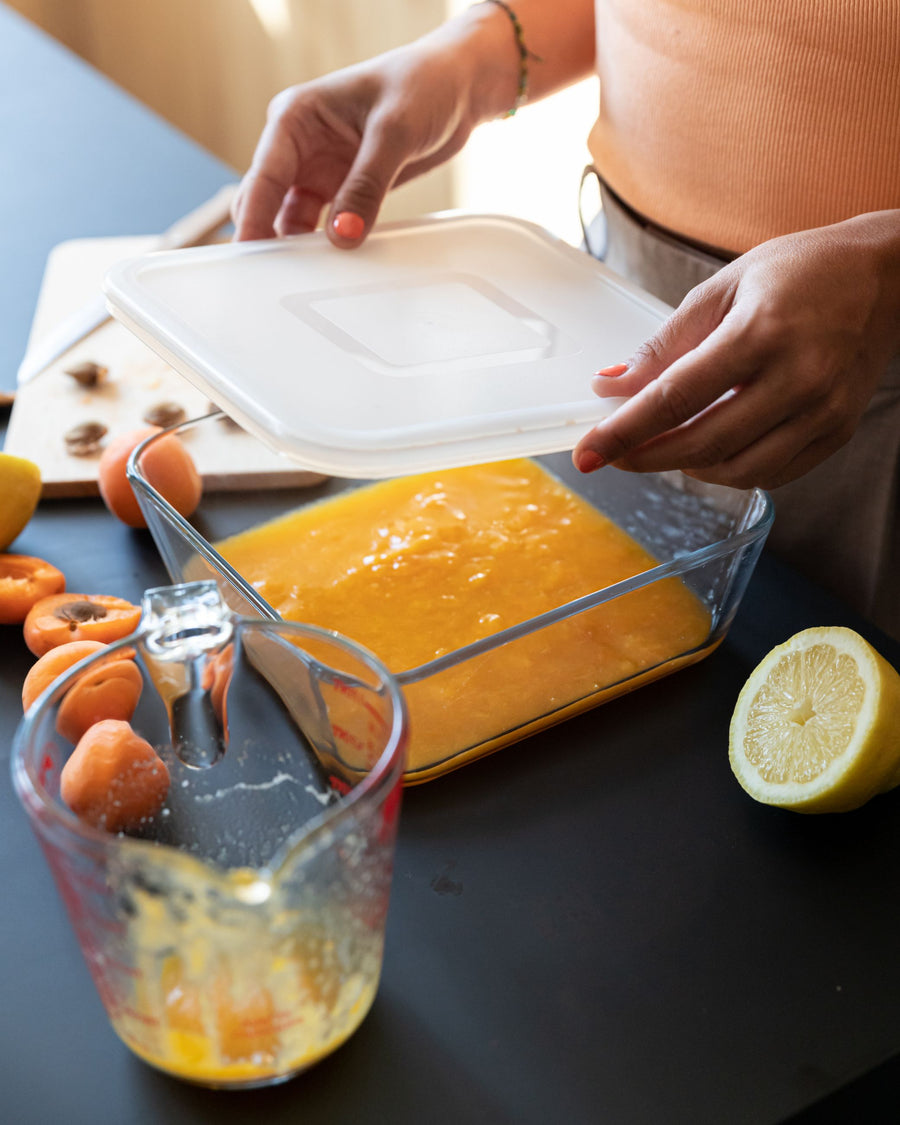
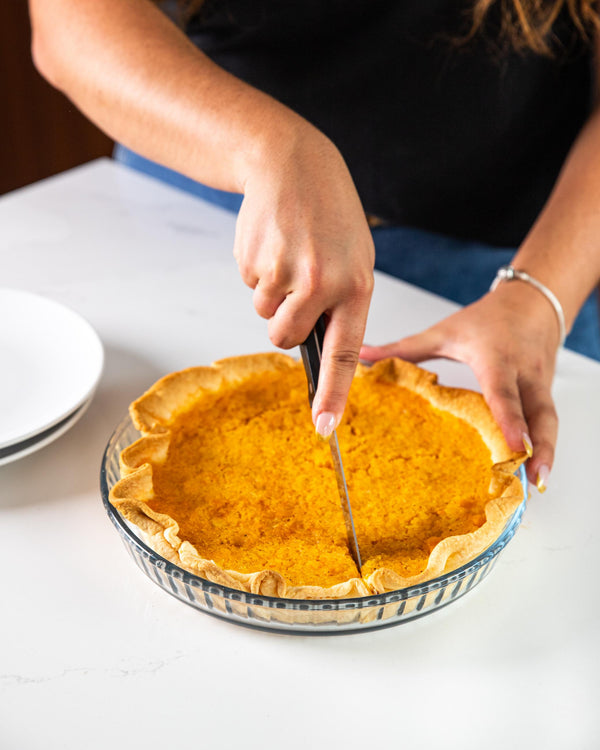
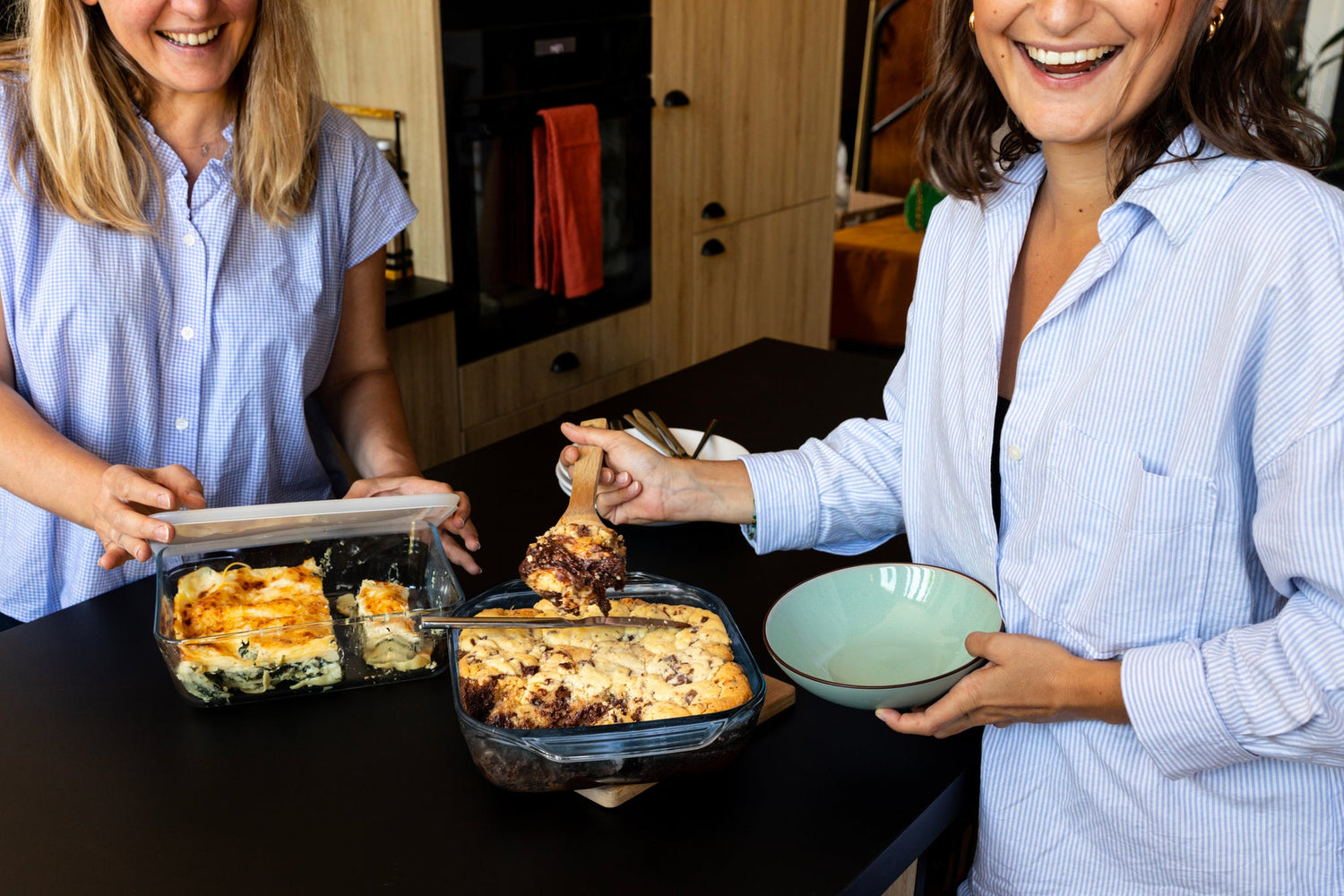
A Pyrex® glass dish or mould is particularly well suited to moist sponges, fondants, clafoutis, and fruit loaf cakes. Available in a wide variety of forms and shapes — round, rectangular, oval — they handle every kind of dessert or savoury dish with even, gentle heat throughout.
Another significant advantage: glass is inert. Unlike clay or porous materials, it doesn't absorb odours or flavours, and it doesn't react on contact with acidic ingredients the way some metals can. Hygienic and transparent, it also lets you check the base of a bake without opening the oven door.
Metal moulds: browning and precision
A Pyrex® metal dish or mould heats up considerably faster than glass. The metal gets hot quickly, which is what allows these tools to sear the surface of batters and achieve a beautifully golden crust, a crispy pastry base, or a loaf cake that holds its shape. They're less versatile than glass, but offer a technical precision valued by professionals and the baking industry for recipes that call for high-temperature cooking, particularly on baking sheets.
Three materials share the market:
-
Aluminium: an excellent conductor of heat, lightweight, and accessible in price. The most common material for everyday cake tins. Models with a non-stick coating make unmoulding easy.
-
Coated steel: more hardwearing, better suited to intensive use. A PFAS-free non-stick coating ensures easy release. Slightly more expensive than aluminium, but the extra durability is worth it.
-
Stainless steel: the most durable option, scratch-resistant and dishwasher-safe. A higher price, but a long-term investment. It conducts heat slightly more slowly than aluminium.
The main drawback of metal moulds: they can't go in the microwave, and some react with very acidic ingredients — red berries, lemon, tomatoes — if they aren't coated. If you're weighing up metal versus silicone, it's worth knowing that silicone moulds are flexible and very easy to unmould, but conduct heat less effectively than steel or aluminium. They're better suited to small individual items — muffins, madeleines — than large cakes.
How to choose by recipe
The right mould is, above all, the one that suits what you're making. Here are a few tips to start with:
-
Loaf cake, pound cake, chocolate fondant: both work. Metal gives a more defined crust; glass gives a softer, more moist crumb. Go for metal if you like a well-browned bake.
-
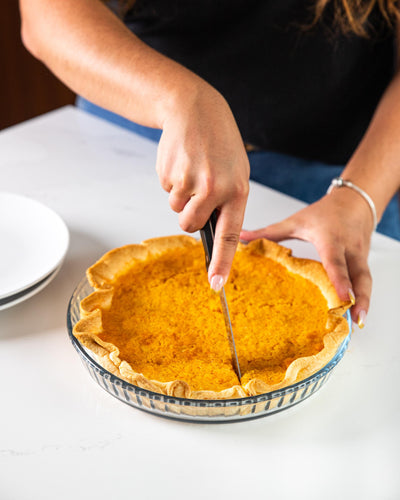
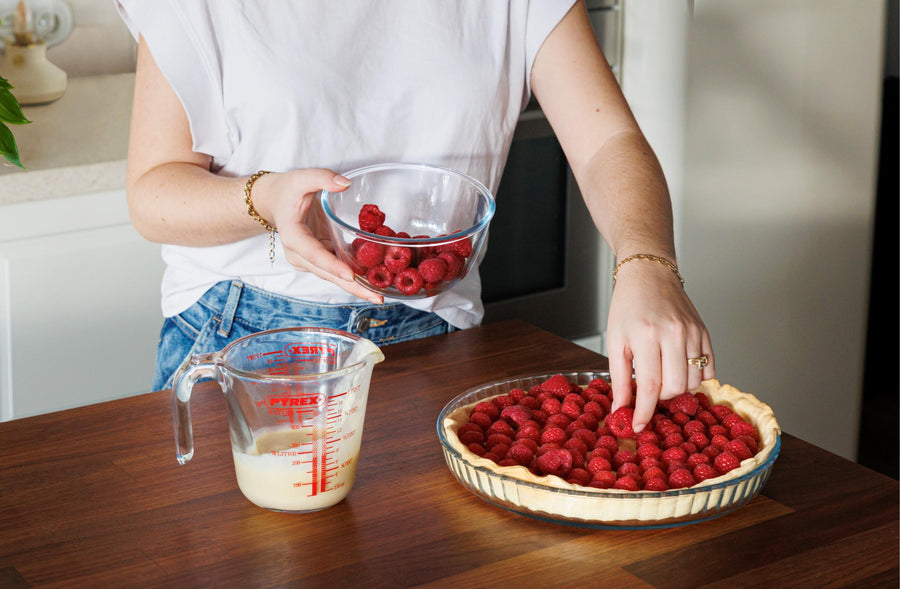
Tart, quiche, crispy pastry base: metal is the ideal choice here. Its rapid rise in temperature seizes the pastry from the start for a properly crispy base. Keep glass for savoury tarts where a gentler bake is an asset.
-
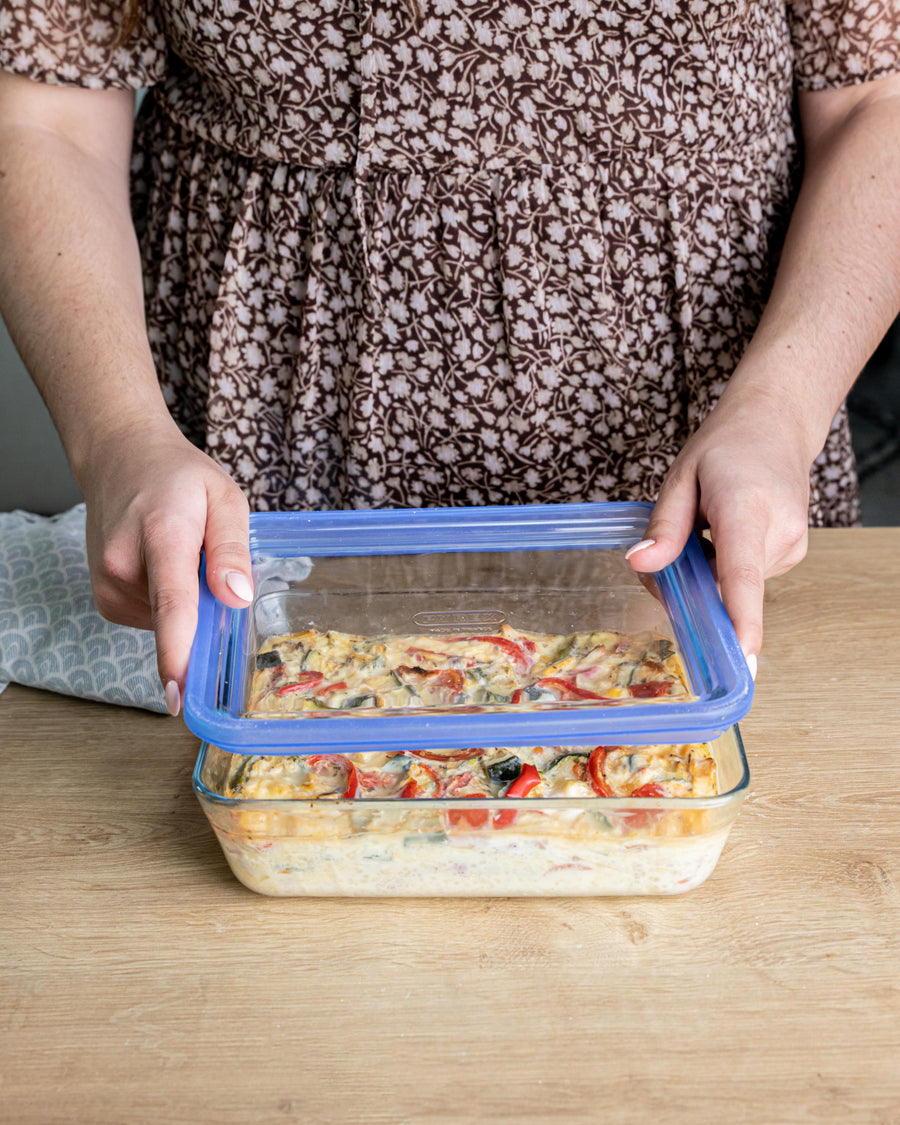
Clafoutis, flan, fondant: glass excels. The gentle heat preserves the texture and prevents the edges from overcooking.
-
Cannelés, madeleines, small individual items: metal is the obvious choice, preferably non-stick steel or aluminium for easy release. Silicone moulds also work well for this kind of bake, with the added advantage of requiring no greasing.
-
Gratin, savoury dish: glass is ideal, particularly because it can go straight from oven to table and handles acidic ingredients without issue.
For those just starting out, or anyone wanting a single versatile tin at a reasonable cost, a non-stick metal round cake tin remains the safe bet. For gratins, clafoutis, and savoury dishes, a rectangular glass dish completes the set perfectly.
Our bakeware range offers a wide choice of glass and metal products in every shape and size, to find the right mould for your recipe and your budget.
Care: glass and metal, the same basic rules
Both materials are easy to look after. Pyrex® borosilicate glass — made in France in Châteauroux — is fully dishwasher-safe: it handles detergents and boiling water without issue.
For metal moulds with a non-stick coating, hand-washing with a soft sponge is best to preserve the coating. Let the mould cool before rinsing it under warm water. Avoid abrasive sponges, which can leave the surface scratched and stained, and avoid metal utensils: when serving or cutting inside the mould, always use silicone spatulas or utensils, which glide over the surface without scratching it.
FAQ
Is Pyrex® borosilicate glass really oven-safe?
Yes. Borosilicate glass is designed to withstand the high temperatures of a domestic oven. It's resistant to thermal shock, even severe ones: ideal for cooking with complete peace of mind!
Which mould should I choose for a first purchase?
A non-stick metal round cake tin of 24 or 26 cm suits the majority of cake recipes and makes unmoulding easy. If you regularly make gratins, clafoutis, or savoury dishes, a rectangular glass dish is the ideal complement.
Does a glass mould change the baking time?
Slightly, yes. Glass takes longer to heat up than metal, which can add a few minutes to the baking time depending on the recipe. In practice, the difference is often minimal and the results very satisfying.
Can a Pyrex® glass mould be used in the microwave?
Yes, Pyrex® borosilicate glass moulds are microwave-safe. Metal moulds are not: a practical advantage of glass for quick reheating.
And what about the menu?
Only one rule, treat yourself!
The entrees
And for the dishes
The desserts
You might like these articles
-
Are stainless steel pans safe?
Stainless steel pans: Are they good for your health? It's a question that comes up again and again for anyone wanting to update their cookware without compromising their health. Between...
05/10/20264min -
Guide : Why choose a stainless steel pan?
What are the advantages of a stainless steel pans? Stainless steel has become a kitchen staple, used by home cooks and catering professionals alike. Sturdy, easy to look after, and...
05/10/20264min -
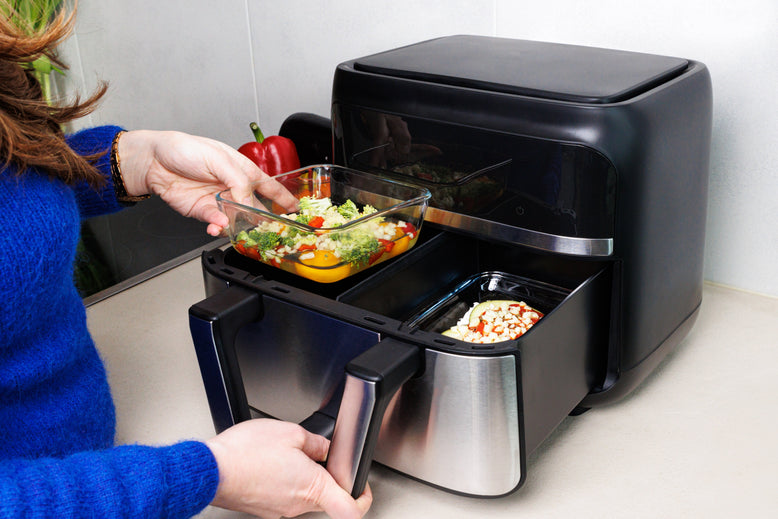
Can you put a glass dish in an air fryer?
Can you put a glass dish in the Air fryer? In a Nutshell Borosilicate glass dishes are compatible with the air fryer: they withstand high temperatures and thermal shock. Ordinary...
05/10/20264min -
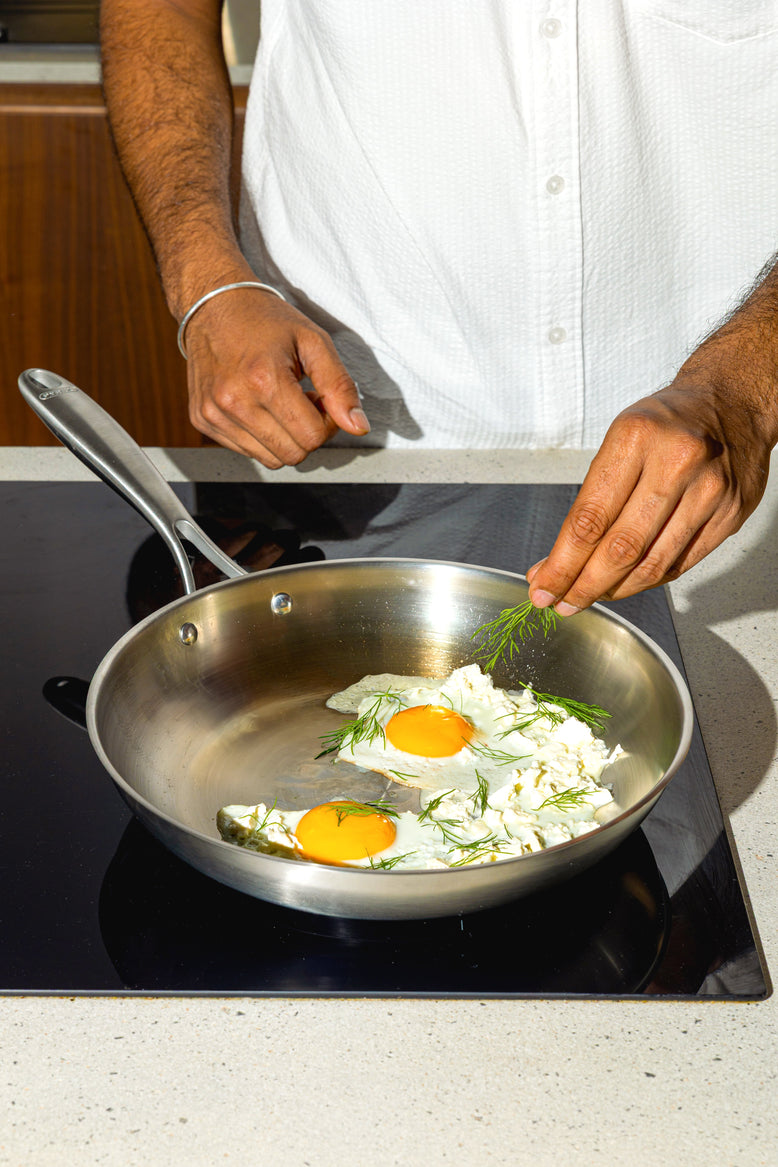
Stainless Steel vs Non-Stick Frying Pan ?
Stainless Steel or Non-Stick Frying Pan: Which Should You Choose? In a Nutshell Stainless steel frying pans offer a hard-wearing material and oven compatibility, though cooking with them takes a...
27/08/20264min -
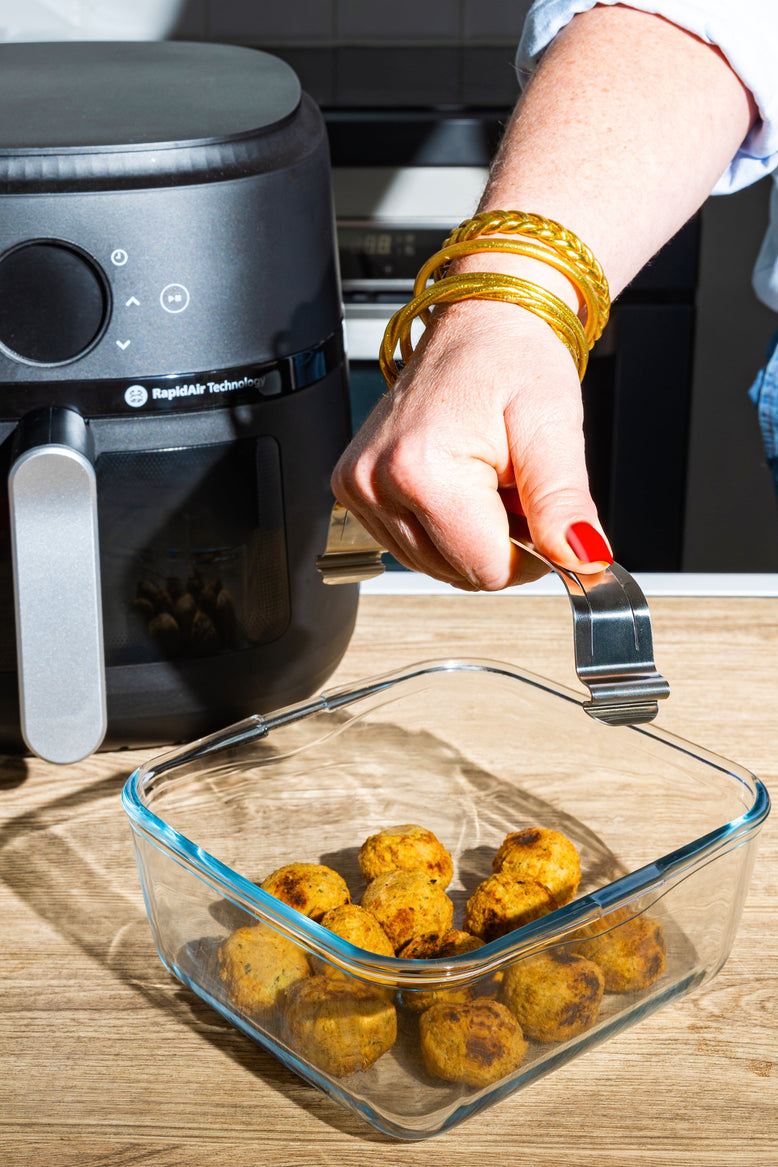
What Dishes Can You Put in an Air Fryer?
What dishes can you put in an Air fryer? In a Nutshell Borosilicate glass and non-stick metal dishes are both perfectly suited to the air fryer: they withstand high temperatures...
27/08/20264min -
Can you put a dish in an Air Fryer?
Can you put a dish in the air fryer? Yes, and it's often the best way to cook food in an air fryer or branch out into new recipes. The...
02/07/20264min -
What can you cook in an air fryer?
What can you cook in an air fryer? In a Nutshell Air fryers cook meat, fish, vegetables, and desserts using rapid hot air circulation in a dedicated compartment, without excess...
25/06/20264min -
Guide : How does an air fryer work?
How does an air fryer work? In recent years, the airfryer has established itself as the go-to appliance for quick, light cooking. Crispy chips, roast chicken, caramelised vegetables: almost everything...
25/06/20264min
