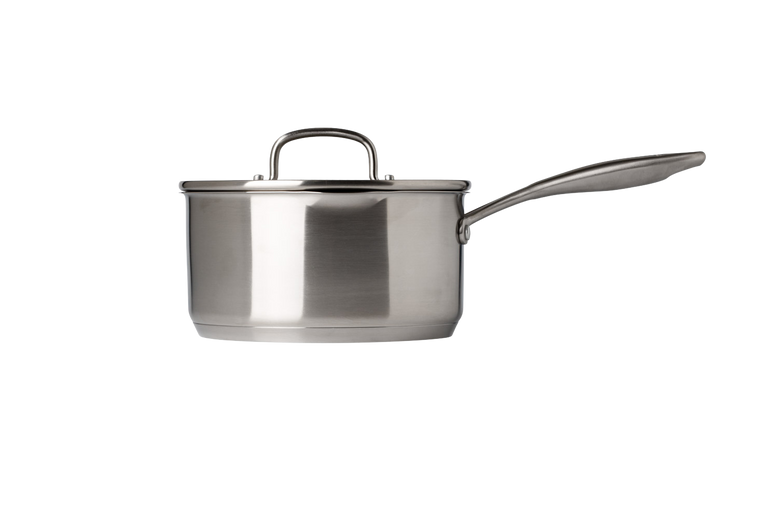

Can you recycle frying pans?
In a Nutshell
-
Old frying pans cannot go in your household recycling bin — they must be taken to a specialist facility
-
Most frying pans can be recycled at your local household waste recycling centre (HWRC)
-
If your pan is still in good condition, consider donating or selling it before you recycle or dispose of it
-
A frying pan should typically be replaced every 2 to 4 years, or sooner if the coating is damaged
-
Recycling household items like frying pans properly keeps metal out of landfill and gives it a second life
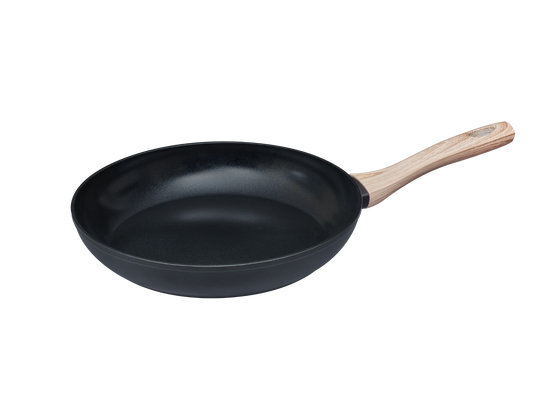
It's a question most of us face at some point: what do you actually do with an old frying pan? Tossing it in the general rubbish bin isn't the answer. Frying pans contain metals — aluminium, steel, cast iron — that cannot be incinerated with household waste and should not go to landfill when they can be recovered and reused, or if you can recycle them properly.
Why Recycle a Frying Pan Rather Than Bin It?
Your local council's waste service is the best first port of call — most councils have dedicated information on how to recycle cookware and other household waste items. If you are even unsure how to dispose of your pots and pans or any other household appliances, contacting the closest recycling facility is the best way to get a clear answer.
A frying pan has a limited lifespan depending on how it's used and cared for. Replacing it every 2 to 4 years is a reasonable rule of thumb, though some will last longer with proper care. That said, replacement is essential the moment you notice the nonstick or ceramic coating deteriorating, or a riveted handle becoming dangerously loose.
Is Your Pan Still Usable?
Before deciding whether to recycle your frying pans, give them a quick inspection. It only takes a moment and could save a perfectly good pan from an unnecessary trip to the recycling centre.
Look out for:
-
A warped or uneven base
-
Deep scratches in the surface
-
Coating that is peeling or flaking away
-
Persistent staining or a dull, worn finish
-
A handle that wobbles or feels unstable
If none of the above applies, your pan may well have more life in it before you need to recycle it.
Give It Away, Sell It or Reuse It
If your pan is still in reasonable condition but you simply no longer need it, the best option is to reuse, donate, sell or recycle — in that order. Donating to a charity shop or selling locally means the item gets a second life without going to waste. Charity shops accept good-quality cookware and pass it on to people who need it.
Worn Out? Time to Recycle
If your frying pan has reached the end of its life and you're ready to invest in a new one, recycling is the right move. Take it to your nearest household waste recycling centre (HWRC) — also known as a tip or civic amenity site — where it will be sorted with other metal items and recycled appropriately.
What Happens to a Recycled Frying Pan?
Your old pan doesn't simply disappear. Once recycled, it goes through the following process depending on its composition:
-
Uncoated metal pans (aluminium, steel, cast iron): mechanically shredded and processed to manufacture new cookware, automotive parts or industrial components
-
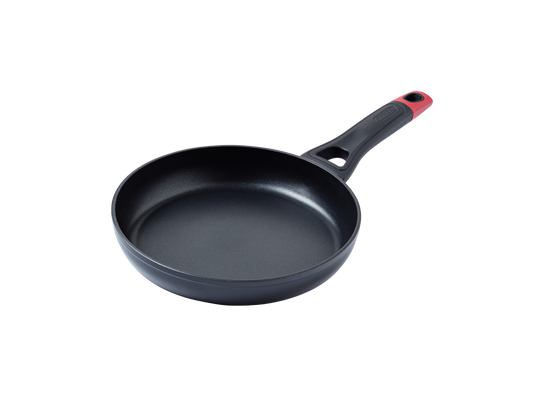
Coated pans: the coating is burned off first, then the recovered metal enters the standard recycling and recovery circuit
-
Plastic handles: removed separately or incinerated as industrial residue
What About Pots, Pans and Other Cookware?
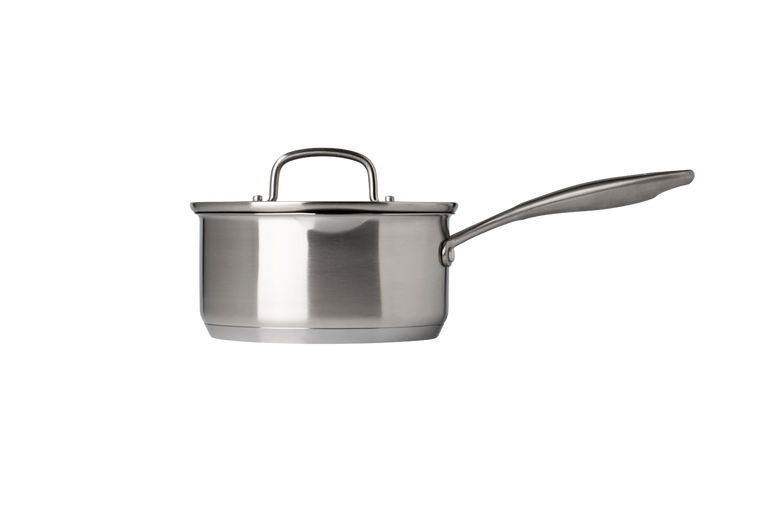
The same rules apply to the rest of your cookware. Saucepans, woks, casserole dishes and other kitchen items can all be recycled at your local HWRC. If you're replacing a full set, take all the items in one trip. Most household waste recycling centres accept cookware regardless of material — aluminium, stainless steel or cast iron.
Recycling Practicalities in the UK
Household Waste Recycling Centres (HWRCs)
HWRCs are run by local councils and accept a wide range of waste items including metals, wood, cardboard and green waste. Residents can drop off items free of charge, though some centres apply limits on volume or frequency of visits. A single frying pan will simply go into the metal skip.
What Else Can You Recycle at an HWRC?
HWRCs accept far more than metal items. Most sites have dedicated containers for garden waste, food waste, cardboard, plastics, electrical items and furniture. If you're making the trip to recycle a frying pan, it's worth bringing any other household waste at the same time.
In-Store Collection Points
Some retailers and supermarkets offer small in-store collection bins for items like batteries and small appliances. Some of these containers are collected by local associations who then handle recycling.
Not Sure Where to Go?
Your local council website is the most reliable source of information on your nearest household waste recycling centre.
How to Make Your Frying Pan Last Longer
A few simple habits make a real difference to how long your cookware lasts.
-
Don't plunge a hot pan into cold water
-
Never heat a pan dry — always add a little oil or fat before cooking
-
Soak rather than scrub if food has stuck, using warm water and washing-up liquid
-
Store pans with a felt pan protector between them to prevent surface damage
-
Avoid abrasive sponges and metal utensils, which scratch and degrade nonstick coatings
FAQ
Can I put a frying pan in my household recycling bin?
No. Frying pans are not accepted in household recycling bins. Take the item to your local household waste recycling centre instead.
How long should a frying pan last?
With proper care, a good-quality frying pan should last between 2 and 4 years. Replace it sooner if the coating is peeling, the base has warped, or the handle feels unstable.
Can I donate a frying pan to a charity shop?
Yes, provided it is in good usable condition — no peeling coating, no warped base, handle fully secure. Charity shops accept kitchen items and reuse them rather than sending them to waste.
What metal is in a frying pan?
Most frying pans are made from aluminium, stainless steel or cast iron, all of which are recyclable. Coated pans require an extra step during processing to remove the coating before the metal can be recovered.