Sustainable Cooking: Practical Tips for a Greener Kitchen
In a Nutshell
-
Sustainable cooking is about small, repeatable habits, not a perfect kitchen overhaul.
-
Plan meals and shop with a list to cut food waste at the source.
-
Choose seasonal and local produce where possible: lower carbon, often better value.
-
Reduce meat consumption gradually; even one or two plant-based meals a week makes a difference.
-
Match pan size to hob, use lids, and batch cook to save energy without changing what you eat.
-
Invest in a durable, reusable kit: quality glass and well-maintained cookware last for years and generate less waste.
Cooking sustainably isn't about perfection. It's about making slightly better choices, more often. Most of them are easy, practical, and happen right in your everyday kitchen routine, one recipe at a time.
According to the UK government's 2025 Food Strategy, the food system as a whole accounts for roughly 38% of UK greenhouse gas emissions, with agriculture responsible for around 11.7% of total UK emissions. The way we cook, shop, and store food at home is part of that picture. Adopting more environmentally friendly cooking methods, even gradually, makes a measurable collective difference — and reducing your household's environmental impact doesn't have to mean starting from scratch.
Sustainable cooking practices cover everything from meal planning and ingredient sourcing to the equipment you use and how you store leftovers. The methods that work best are usually the ones that fit naturally into daily life, rather than requiring a complete rethink of how you eat.
Plan Your Meals to Reduce Food Waste
The WWF estimates that around 30% of all food produced globally is wasted, with a significant proportion happening at household level. Reducing food waste starts before you even switch on the hob: check what's already in your fridge and cupboards before you shop, build your weekly menu around what needs using first, and write a focused list you'll actually stick to.
Buying loose produce where possible lets you take exactly the quantity you need, which goes a long way towards reducing food waste from the start. For anything fresh that you won't get through in time, the freezer is your most effective tool. Bread, meat, cooked grains, most soups — all freeze well and save you from throwing perfectly good food away.
A few practical habits that make a real difference:
-
Freeze what you can't use while it's fresh: bread, meat, and most cooked dishes all freeze well.
-
Keep older produce at the front of your fridge so nothing gets buried and forgotten.
-
Batch cook on a Sunday and portion up meals for the week. Less daily cooking, less waste, less energy used.
-
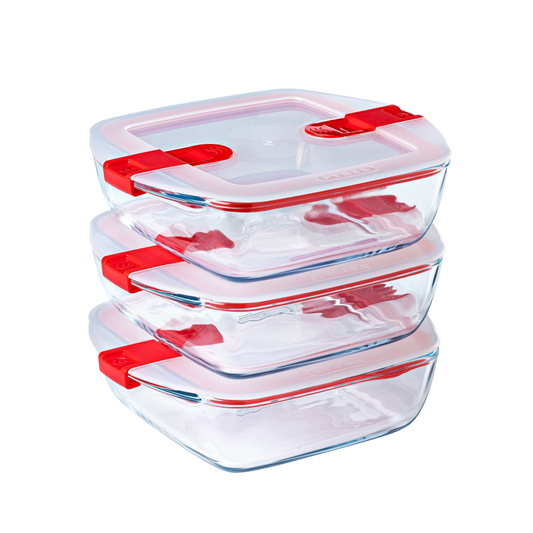
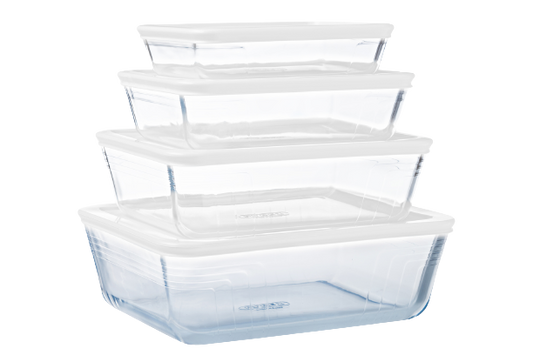
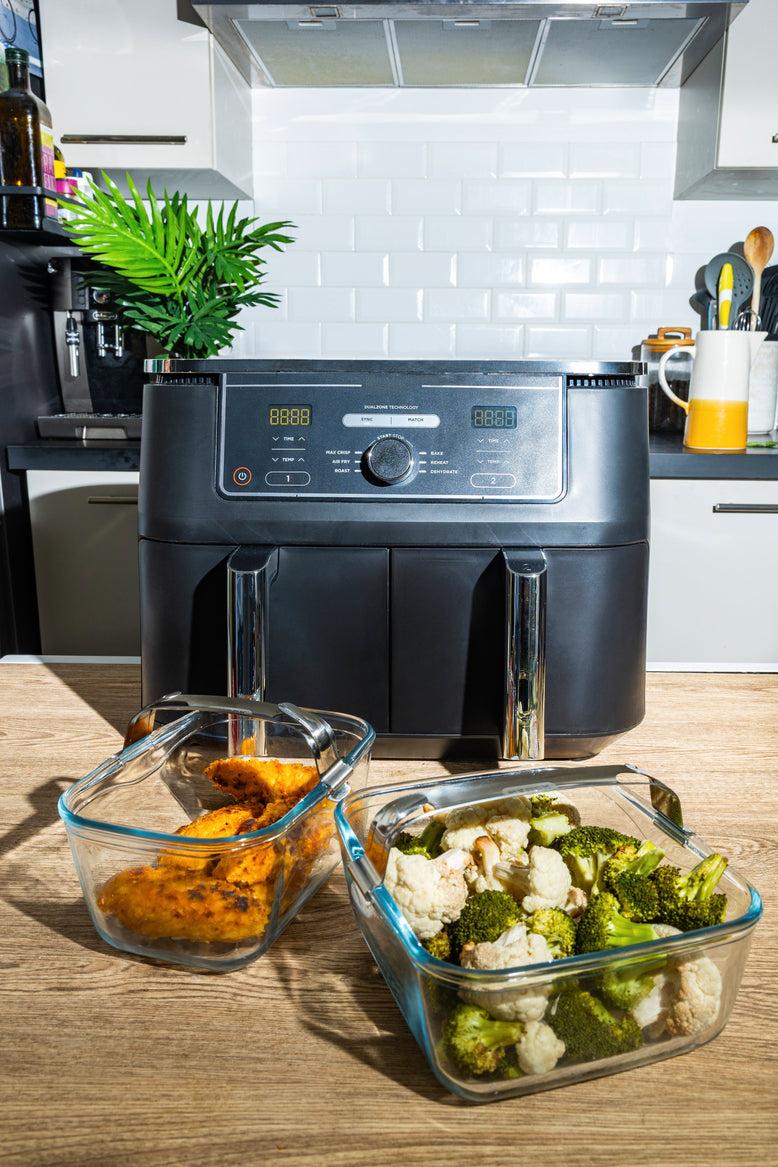
Store leftovers properly in airtight glass containers: they stay fresh longer and you can see exactly what you have at a glance.
For more ideas on cooking sustainably and getting the most from every ingredient, explore our guide to zero waste cooking.
Cook With Seasonal, Local Ingredients
Eating seasonally is one of the most effective sustainable cooking practices you can adopt. Seasonal produce is grown closer to home, requires less energy to transport, and generally needs fewer resources to cultivate. It also tends to taste considerably better — a practical reason to make the switch, quite apart from the environmental one.
Visiting a local market or greengrocer is the easiest way to know what's genuinely in season. You'll also often find vegetables in imperfect shapes that supermarkets reject: perfectly good food at a better price. Sourced locally and eaten in season, these ingredients have a significantly smaller carbon footprint than imported alternatives.
On the meat front, the WWF reports that the livestock industry generates close to 15% of all human-caused greenhouse gas emissions globally. That doesn't mean abandoning meat entirely, but moderating meat consumption and choosing better-quality, responsibly sourced options less frequently is a smart approach. Swap one or two meat-based meals a week for plant-based alternatives: a hearty vegetable stew, a lentil curry, a roasted cauliflower dish. Filling, delicious, and easier on the planet.
Diversifying what you cook also matters. Exploring more variety in your diet supports biodiversity and reduces pressure on the most intensively farmed crops.
Use Energy More Efficiently in the Kitchen
How you cook matters as much as what you cook. A few straightforward adjustments can reduce your energy use without affecting the result on the plate.
-
Match your pan to your hob. A pan that's too small for the ring wastes energy heating the air around it. A pan that's too large distributes heat inefficiently. The right fit means faster, more even cooking.
-
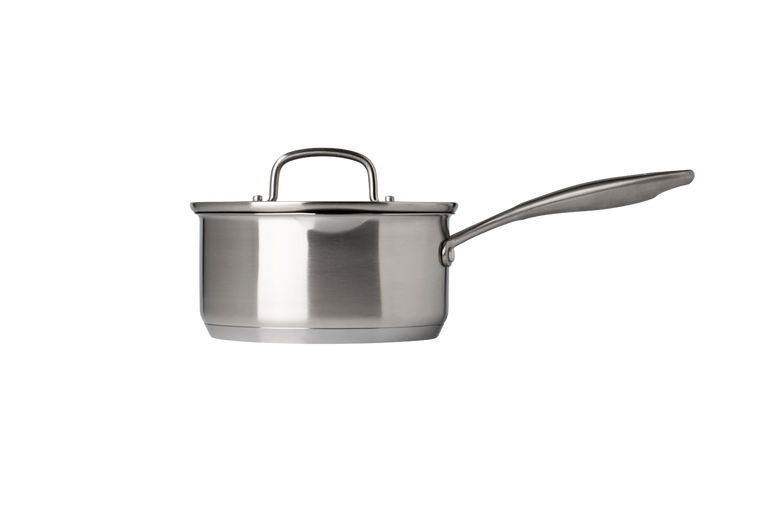
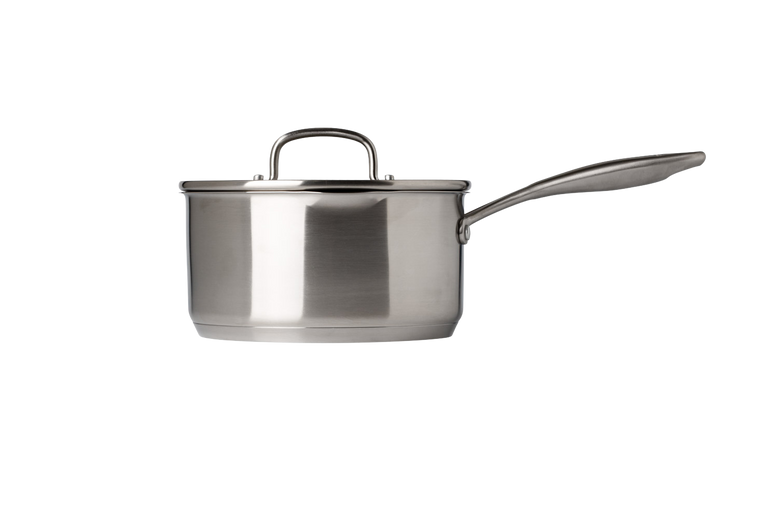
Use lids. Keeping a lid on a saucepan brings water to the boil faster and retains heat throughout cooking — less energy wasted, same result.
-
Steam rather than boil. Steaming vegetables can help preserve more of their nutrients and uses less water in the process. An energy efficient method that requires nothing more than a glass steaming basket placed over a saucepan of boiling water.
-
Batch cook and reheat. Cooking once and reheating twice is far more energy efficient than cooking from scratch every evening. It also makes weeknight meals considerably easier.
-
Avoid unnecessary preheating. For most hob-based dishes, starting with a cold pan and building heat gradually works just as well, and wastes nothing.
Choose a Durable, Sustainable Kitchen Kit
Sustainable cooking isn't only about ingredients: it's also about the tools you use. Cheap, frequently replaced equipment generates unnecessary waste and cost over time — and replacing a pan every couple of years is neither green nor economical.
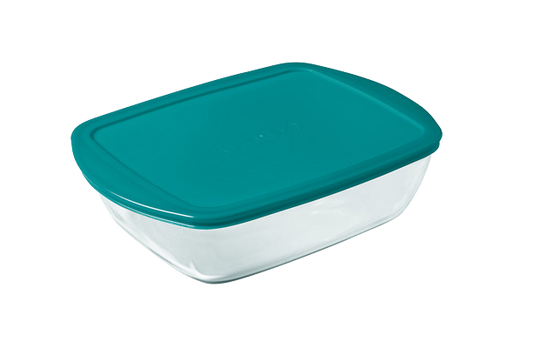
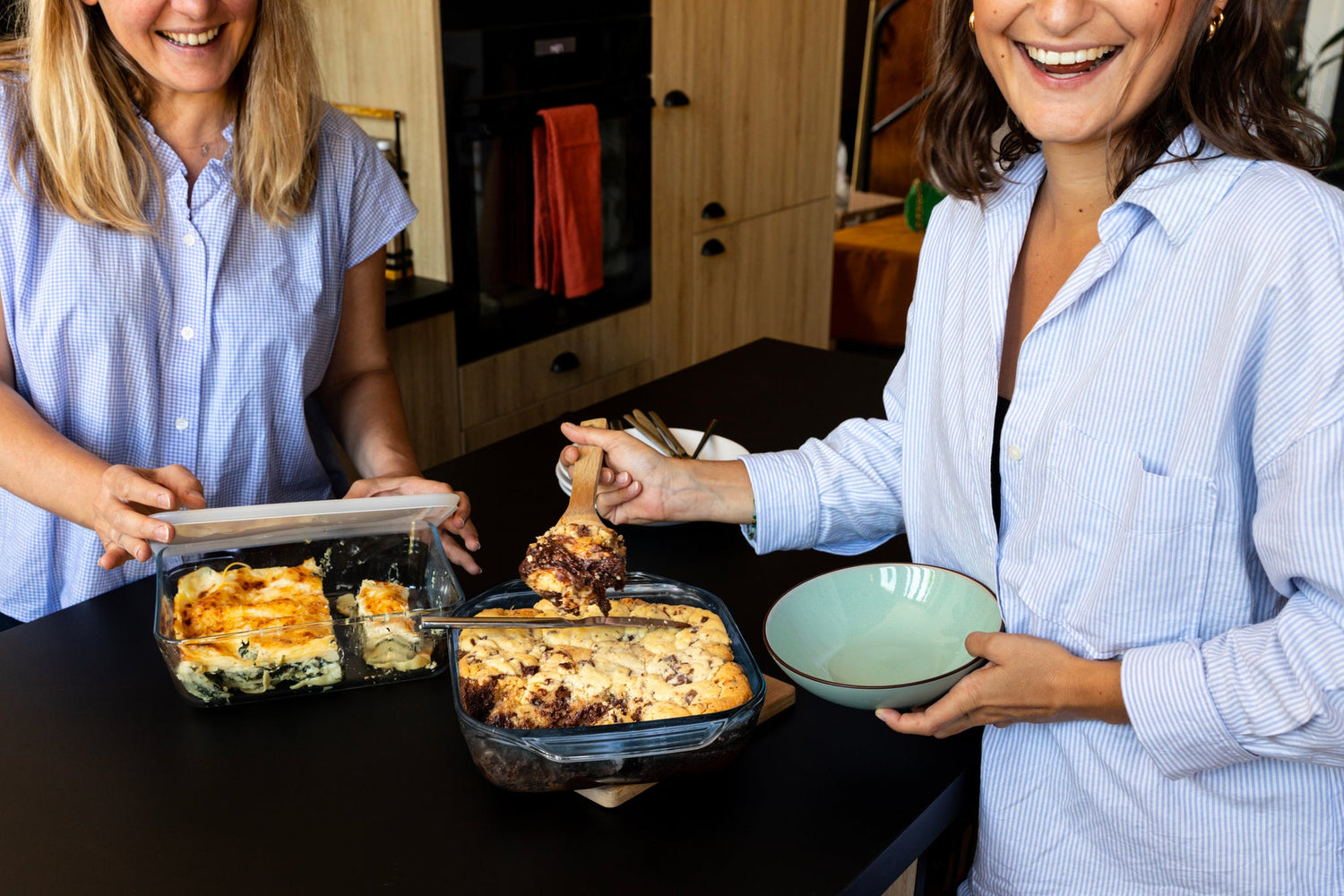
Borosilicate glass is one of the most durable materials you can have in your kitchen. It's made without harmful chemicals, doesn't absorb food odours or flavours, and withstands significant temperature changes without cracking. Pyrex® borosilicate glass dishes go from freezer to oven to table in one vessel, which cuts down on washing up as much as it does on clutter.
Glass storage containers are particularly worth the investment. Reusable, non-porous, and completely transparent, they replace single-use plastic wrap, bags, and disposable containers. Over a year, that's a meaningful reduction in household plastic waste — a simple, effective method for reducing everyday reliance on single-use materials.
When it comes to pots and pans, a quality non-stick pan with a PFAS-free coating that you care for properly will outlast several cheaper alternatives. Avoiding metal utensils, not overheating, and letting it cool before washing: those three habits alone will extend its life significantly.
The same logic applies to packaging. Where possible, buy loose fruit and vegetables rather than pre-packaged, choose products with minimal or recyclable packaging, and buy staples like grains, pulses, and pasta in larger quantities. Fewer trips, less packaging per meal, and a shopping basket that's easier to plan around.
Make It a Habit, Not a Project
The most sustainable kitchen isn't a perfect kitchen. It's one where good habits are simply part of how things are done.
Meal planning on a Sunday. Reaching for the glass container instead of the cling film. Checking the fridge before writing a shopping list. Choosing a vegetable dish twice a week instead of once. None of this requires a lifestyle overhaul. But done consistently, it adds up to a genuinely smaller environmental footprint — and a more organised kitchen as a useful side effect.
It's also worth remembering that sustainable cooking methods don't have to be time-consuming. Many of the most environmentally friendly approaches — batch cooking, using leftovers, buying in bulk — actually save time over the course of a week. Cooking more sustainably and cooking more efficiently tend to go hand in hand, which makes the whole thing considerably easier to sustain long-term.
FAQ
What does sustainable cooking actually mean?
Making food choices that reduce environmental impact: less waste, fewer emissions, lower energy use, and ingredients produced more responsibly. Small, consistent changes in how you shop, cook, and store food are what make the difference — it doesn't require starting from scratch.
What's the single most effective thing I can do to cook more sustainably?
Reduce food waste. Planning meals, shopping from a list, using leftovers creatively, and freezing what you can't use immediately are the most impactful habits you can build, both for the environment and your household budget.
Is a plant-based diet necessary for sustainable eating?
Not necessarily. Moderating meat and dairy consumption, rather than eliminating it entirely, is a realistic and effective step. Swapping one or two meat-based meals per week for plant-based alternatives already reduces your diet's carbon footprint meaningfully.
How does the right kitchen equipment support sustainable cooking?
Durable, multi-use kit means less waste and fewer replacements over time. Quality glass bakeware and storage containers replace single-use plastics and last for years. A well-maintained pan that doesn't need replacing every couple of years is more sustainable than a cheaper one bought repeatedly.