
How to avoid food waste in 15 tips
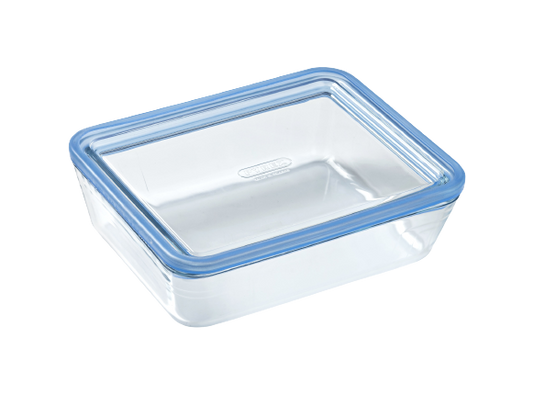
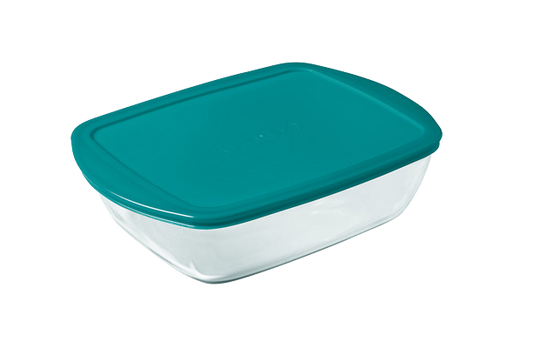
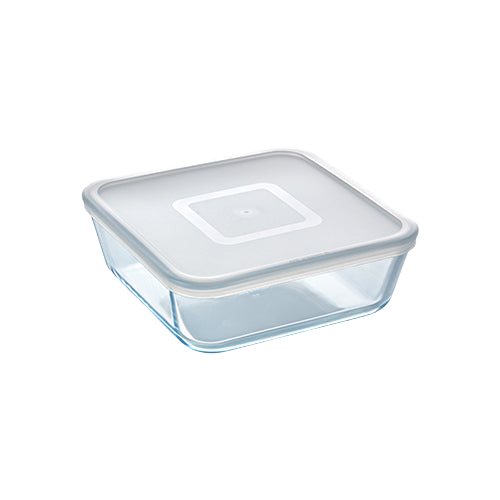
Let the one who has never thrown into the trash a food forgotten in his refrigerator or having passed the expiry date raise his hand. We are, alas! all concerned. Here are our 15 tips to limit food waste where we will talk about environmental impact, but also food storage containers, Pyrex® oblige!
Why is it essential to fight against food waste?
Because we throw away on average 173 kilos of food per person in Europe from the entire chain up to the consumer and each of us wastes more than 30 kilos per year of food… The figures speak for themselves. It is therefore more than time to change our habits.
The environmental impacts of waste
Our food waste is not without effect on the environment. It accounts for between 8 and 10% of global greenhouse gas emissions. This does not concern only the final consumer, but indeed the entire chain. Thus, from production through the product damaged during transport to the products rejected by the supermarket, we all have a collective responsibility.
The economic consequences for households
What we throw into the trash, we bought. In other words, as soon as we discard leftover bread, opened products or food waste, it is indeed our wallet that empties. And yet solutions exist! Between properly organizing your refrigerator for better preservation of food and moving to zero-waste cooking or equipping yourself with glass food containers to preserve food, we can save money over the year.
The ethical and social importance
We too often forget that each product thrown away required raw materials, labor and natural resources. Throwing away fruits and vegetables therefore has an impact on the food chain, the ethical side and, of course, social.
Our 15 tips to reduce food waste
Tip 1: plan your meals in advance
Preparing your menus in advance allows you to better manage your stocks and avoid throwing part of your goods into the trash. By establishing your menus over the week, you only buy what you need. One solution lies in the practice of batch cooking, which consists in cooking all at once for the week, then keeping your dishes in the refrigerator or freezer.
Tip 2: make a precise shopping list
Download a shopping list application or complete a shopping list in paper format as your needs arise. And stay sober! Try as much as possible to stick to your shopping list so as not to overconsume and risk then throwing away.
Tip 3: regularly check your stocks
Take regular time to check the state of your stocks rather than buying again a product already present in your cupboard. This limits duplicates, limits your expenses, gives you cash flow and, above all, allows you to rotate them so as not to exceed an expiry date.
Tip 4: store your food correctly
The organization of your cupboards requires optimized storage of your stocks by putting, for example, the packets of pasta together to better visualize what you have left. Do not forget either to learn how to organize your fridge for better preservation of perishable goods.
Tip 5: learn to interpret expiry dates
All our food products have expiry dates. It is not, of course, a matter of not respecting those indicated on certain very fresh products, such as minced beef or fish, but of knowing how to interpret them. Thus, yogurts always have a consumption limit date longer than that indicated on the pot.
Tip 6: reuse your leftovers creatively
There is always a way to reuse your leftovers by composing a new dish. Leftover vegetables? Incorporate them into an omelet or cook them in a gratin. Do not forget to carefully choose your food storage containers preferably in glass and to always keep them cool.
Tip 7: freeze your surpluses for later
If your guests have been less greedy than expected or if you have been heavy-handed with a food, know that you can always freeze it to consume it later. If you used a frozen raw food and cooked it, you can refreeze it without problem as long as it has been processed.
► Discover our freezing guide by following this link.
Tip 8: pay attention to bulk promotions
It is the trap of overconsumption and food waste. Choosing a pack of 16 yogurts where the second is on promotion must be thought out to avoid part ending up in the trash.
Tip 9: compost your food waste
Many cities today offer free compost bins to deposit your food waste. If you have a garden or a vegetable patch, here is an excellent way to recycle your fruit or vegetable peelings and your eggshells. And in addition, it is good for the planet!
Tip 10: favor bulk buying
Bulk buying is an excellent way to limit your packaging and to do anti-waste shopping. Most supermarkets offer paper bags in their bulk section. Remember to buy your fabric bags, you can then reuse them and you will only have to place your bulk purchases in jars or hermetically sealed glass containers.
Tip 11: prepare portions adapted to your needs
Take the time to weigh your food to limit food waste! Why cook a packet of pasta when you are two? Or else if you have some left, think of food preservation by placing them in the refrigerator or transforming them into a gratin to be placed in a Pyrex® glass oven dish, of course.
Tip 12: preserve damaged fruits and vegetables
Your damaged fruits can easily be transformed into compote or jam. As for your vegetables, opt for a tian after cleaning them. Add rice, pasta or potatoes to prepare a delicious composed dish.
Tip 13: adopt anti-waste applications
Many anti-waste apps are now available. They give you menu ideas to concoct with leftovers, as well as solutions for preserving your food.
Tip 14: donate your surpluses to associations
Do you have a vegetable garden? Rather than throwing away the surplus of your production, contact local associations, they will be happy to make their beneficiaries enjoy it.
Tip 15: raise awareness in your circle
Our children are our future. By giving them good consumption habits now, you will make them responsible adults. Involved in consuming well, they will then know how to avoid food waste.